
violin setup
-
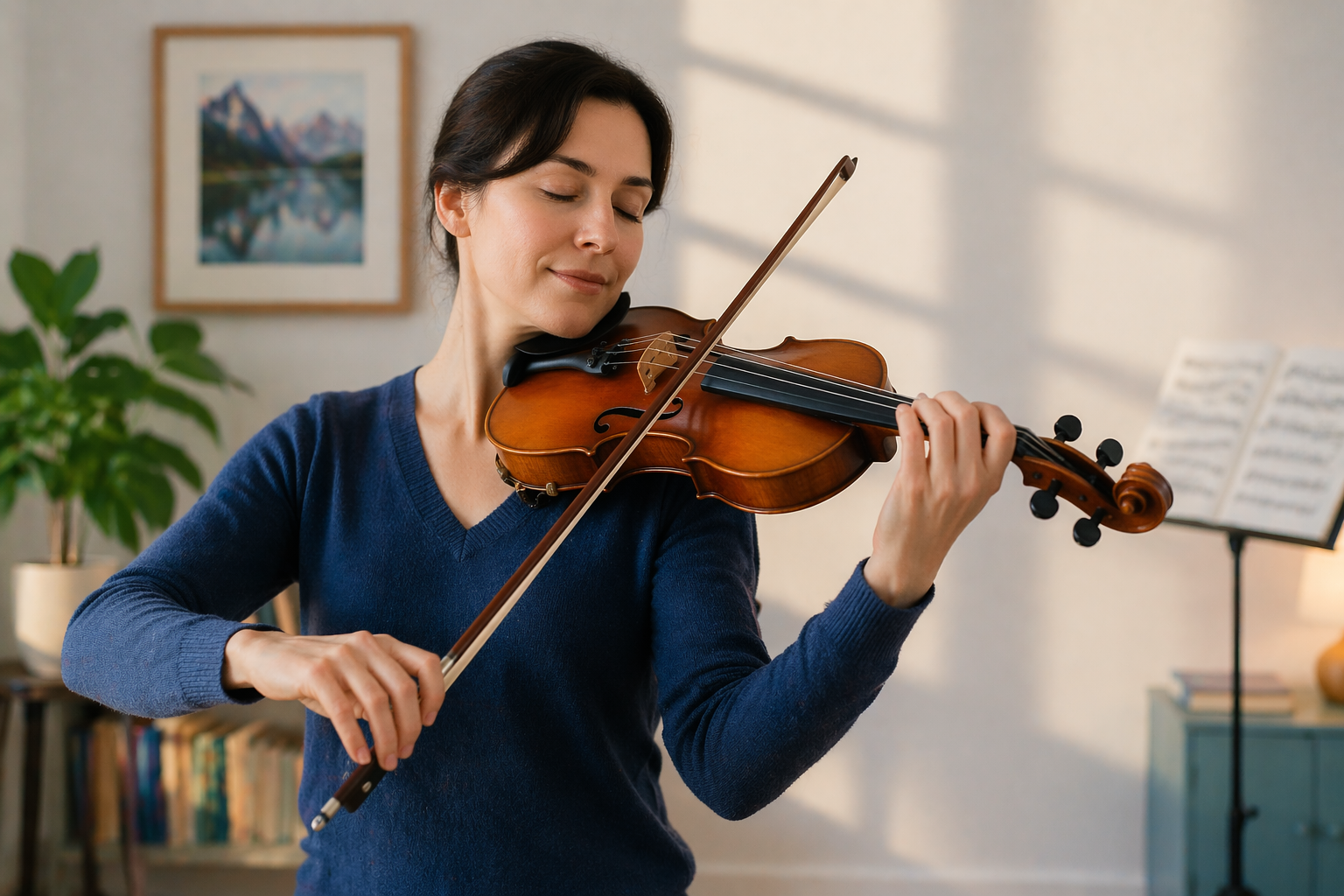
How to Keep Your Violin Stable (Without Tension or Gripping)
If your violin feels unstable or requires constant gripping, the problem is usually balance—not strength. Learn how to keep your violin stable without tension so your left hand can stay relaxed and your playing feels easier.
-

Why Your Upper Back Hurts After Playing Violin: Shoulder Blade Tension Fixes for Adult Beginners
Upper back pain after playing violin is common for adult beginners, especially when the shoulders, neck, or upper back are working too hard to hold the instrument in place. This guide explains common causes of upper back and shoulder blade tension, simple setup checks, and practice adjustments that can help you play with less strain.
-
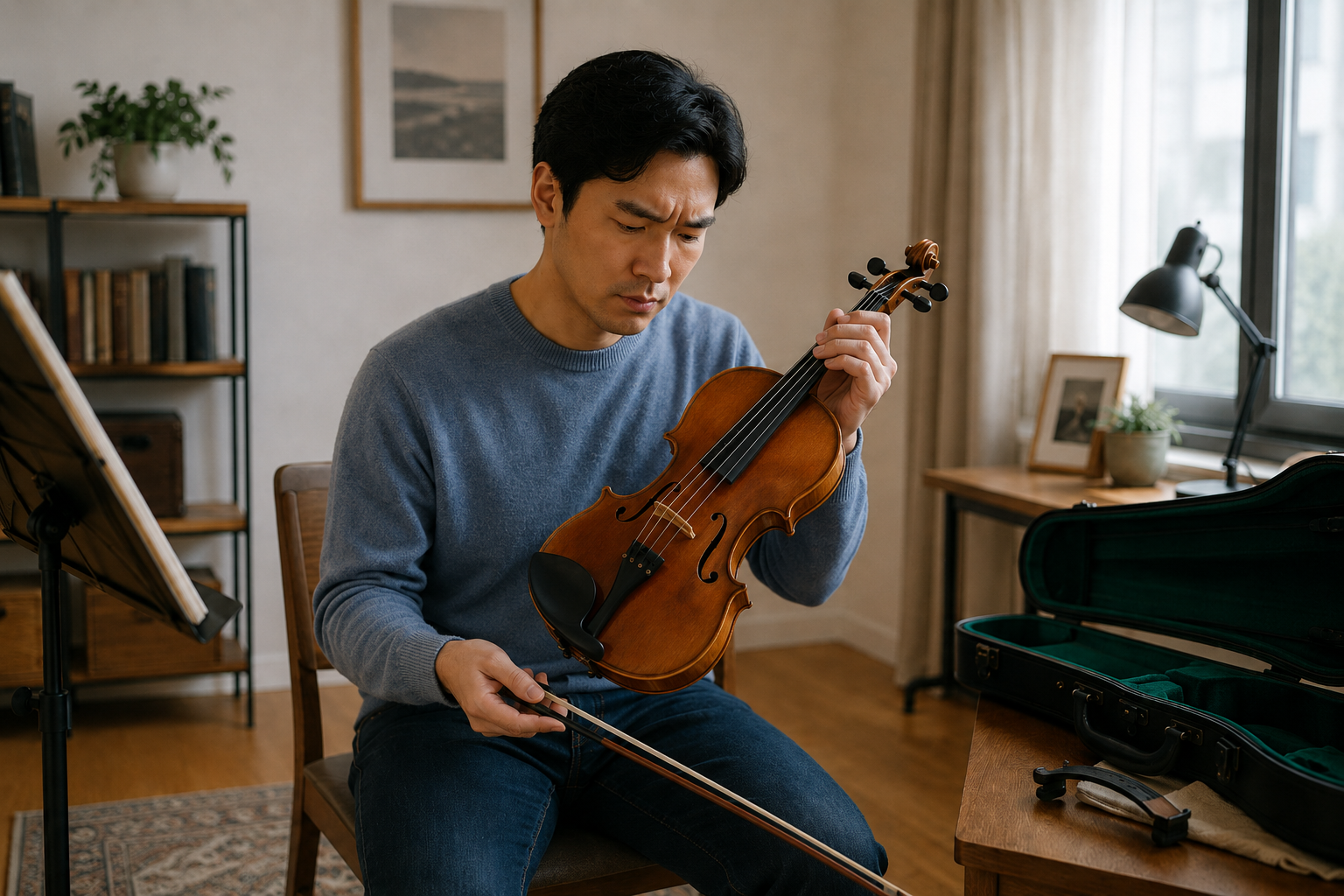
Why Is My Violin Buzzing or Rattling? Simple Checks Before You Visit a Luthier
Is your violin buzzing or rattling when you play? Learn the most common causes, simple checks you can do safely at home, what not to adjust yourself, and when it’s time to visit a luthier.
-
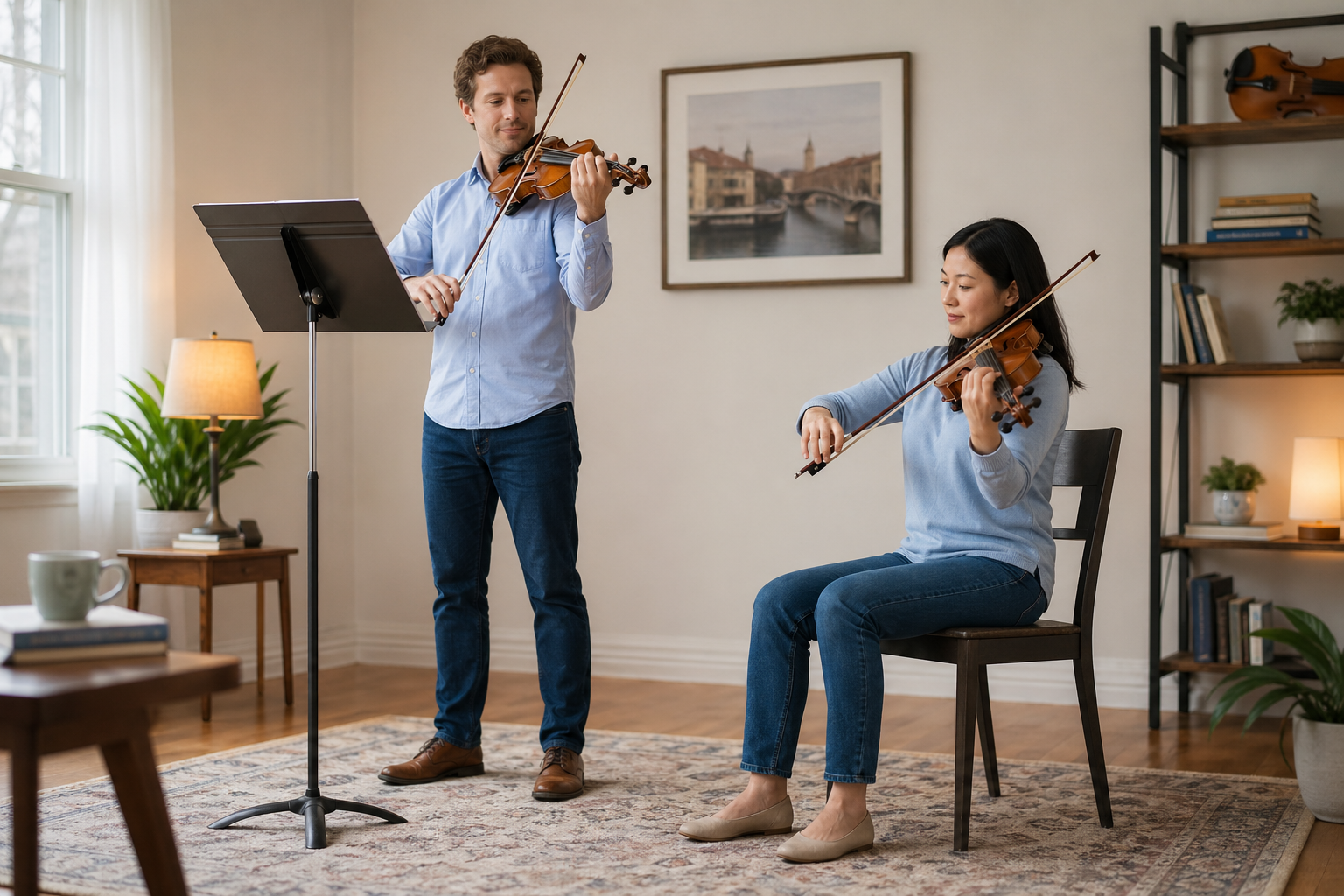
Should You Sit or Stand When Practicing Violin? A Comfort Guide for Adult Players
Should you sit or stand when practicing violin? This comfort guide explains how each position affects posture, balance, tension, and practice comfort for adult violin players.
-
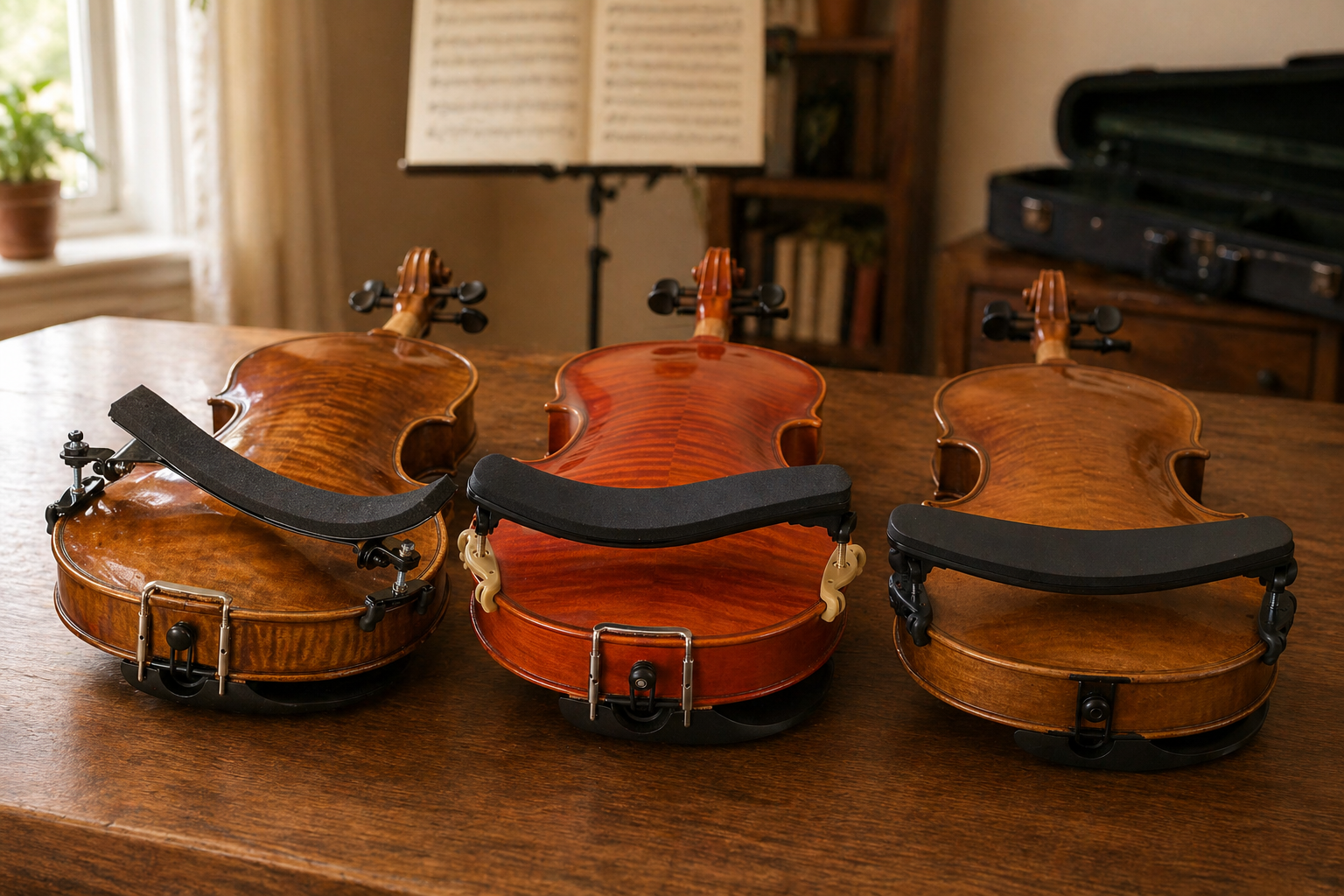
Kun vs Everest vs Bonmusica Shoulder Rest: Which Is Best for Adult Violinists?
Choosing between Kun, Everest, and Bonmusica shoulder rests? This adult beginner guide compares comfort, stability, fit, adjustability, and which violin shoulder rest to try first.
-

Do Violin Strings Stretch? (And Why New Strings Won’t Stay in Tune at First)
Do violin strings stretch? If your new strings won’t stay in tune, this guide explains why it happens, how long it lasts, and what to expect so you can play with confidence.
-

Best Violin E Strings to Prevent Whistling (Steel vs Gold-Plated vs Wound Compared)
Struggling with a whistling E string on violin? Learn why it happens and compare steel, gold-plated, and wound E strings to find the best non-whistling option for a smoother, more stable tone.
-
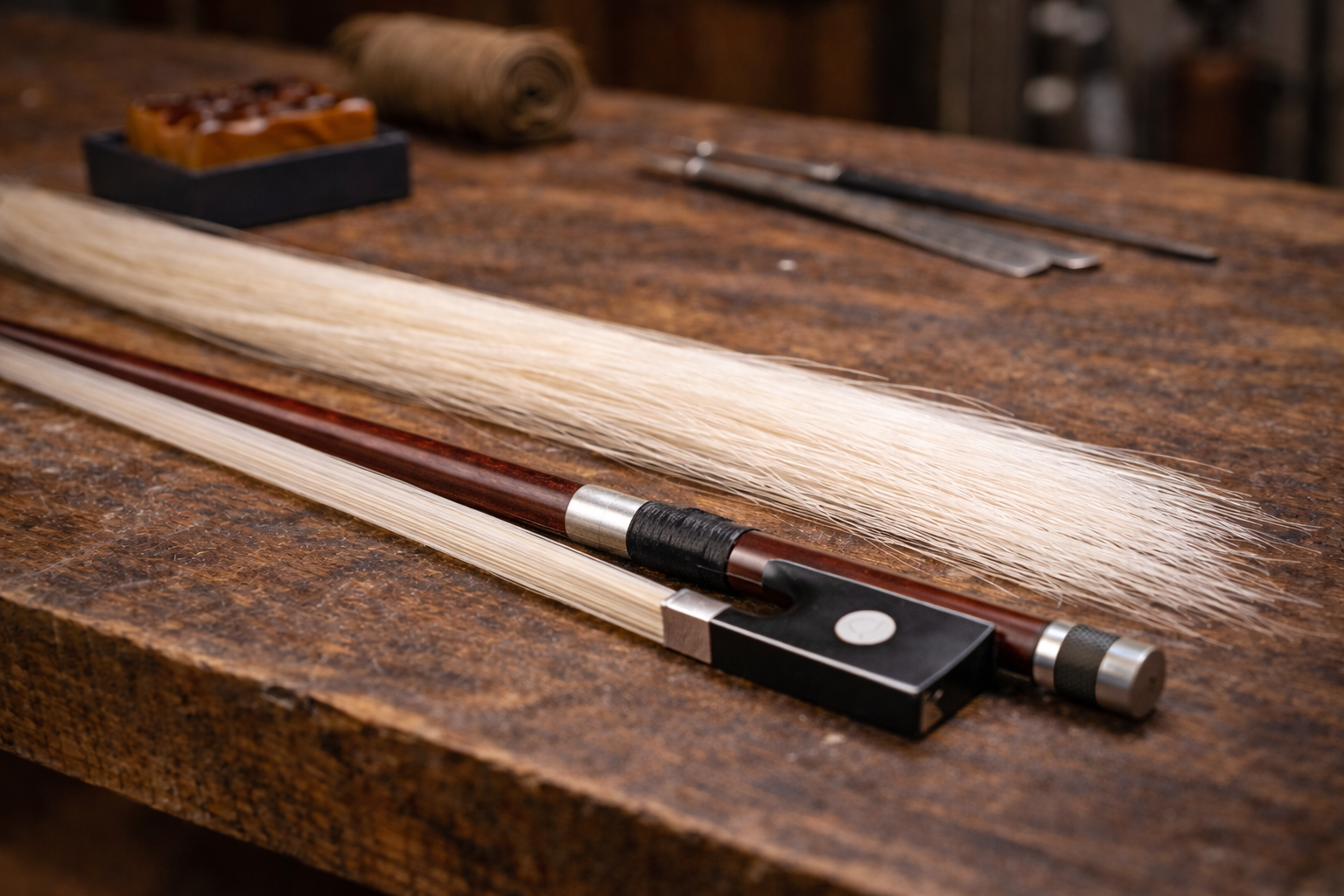
Violin Bow Hair: Types, When to Rehair, and When to Replace the Bow
Worn bow hair is one of the most common reasons a violin starts to feel slippery, scratchy, or hard to control. This guide explains what violin bow hair is made of, how it wears out, when a rehair makes sense, and when replacing the bow is the smarter option for adult players.
-
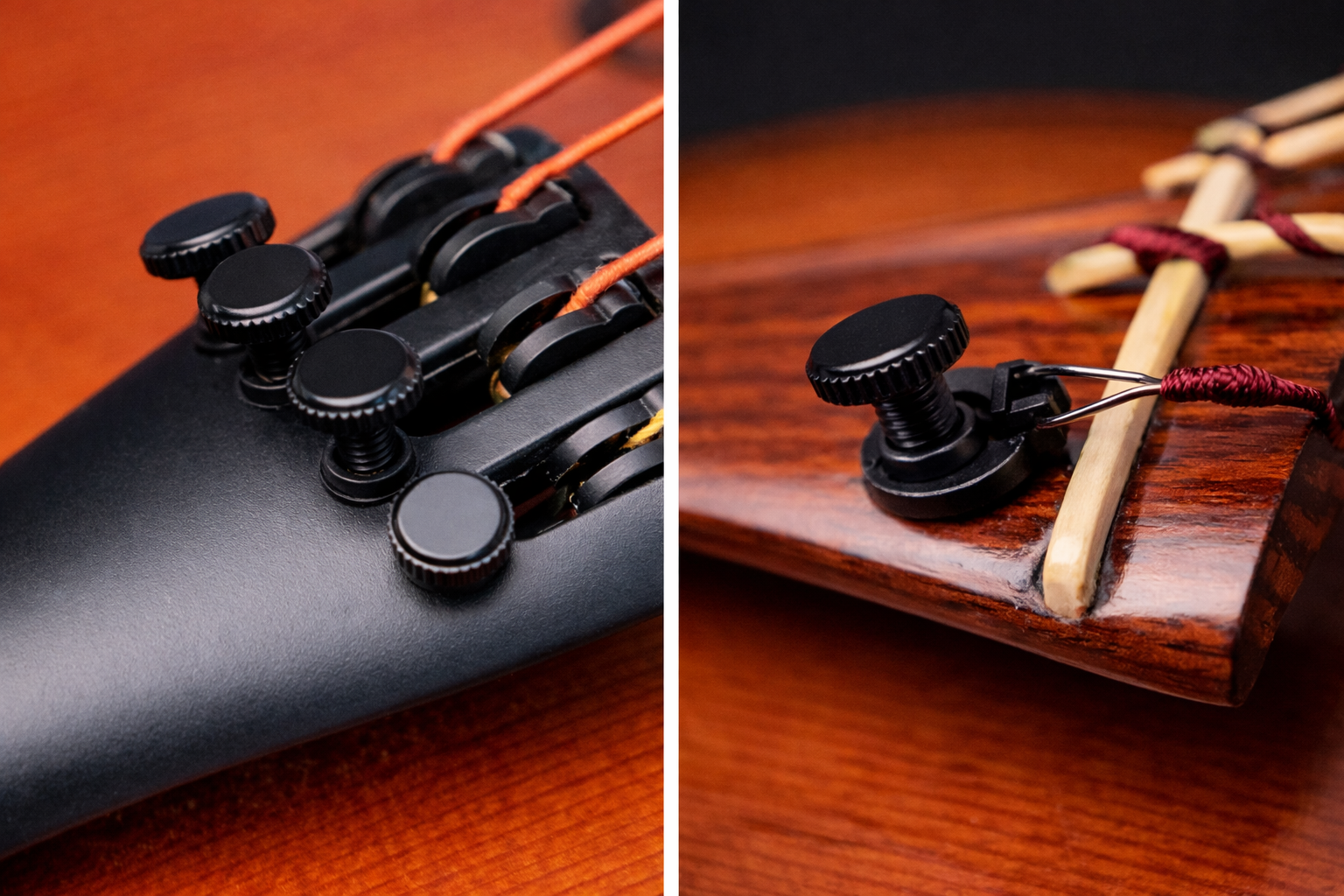
Why Some Violins Have One Fine Tuner and Others Have Four (Beginner’s Guide)
Why does your violin have four fine tuners while your teacher’s has only one? This beginner-friendly guide explains what fine tuners do, how they affect tuning ease and sound, the pros and cons of each setup, and when—or if—you should switch. Learn why four fine tuners are normal for beginners, how modern tailpieces bridge the…
-

How to Start Playing the Violin as an Adult (Step-by-Step Beginner Guide)
Starting violin as an adult can feel intimidating—but it’s completely doable with the right first steps. This guide walks you from the initial idea to choosing a beginner violin outfit, setting up your bow and rosin, deciding on lessons, and building a simple practice routine you can actually stick with.
-

Best Violin Chin Rests for Adult Players (Comfort, Fit & Jaw Relief)
Choosing the right violin chin rest can significantly reduce jaw and neck discomfort for adult players. This guide explains the best chin rest styles for comfort, fit, and jaw relief — helping adult violinists make confident, pain-free setup choices.
-

How to Reduce Chin Rest Pain: A Comfort Guide for Adult Violinists
Chin rest pain is a common issue for adult violinists, often caused by pressure, poor fit, or setup imbalance. This comfort guide explains why chin rest pain happens and how to reduce it through simple adjustments, improved balance, and smarter setup choices.