

Last Updated: August 2026
If you are new to the violin, humidity control can feel more confusing than it needs to be.
You may hear that your violin needs a humidifier, but then you see several different options: case humidifiers, Dampit-style tubes, Boveda packs, room humidifiers, hygrometers, humidity packets, and little sponge systems that fit inside the case.
So what do you actually need?
For most adult beginners, the best violin humidifier setup is simple: start with a small digital hygrometer so you know the humidity level inside your case or practice room. Then, if the air is too dry, add a safe case humidity system such as Boveda packs or a Stretto-style case humidifier.
You do not need to buy everything at once. The goal is not to make violin care complicated. The goal is to protect your instrument from getting too dry, especially during winter or in homes with forced-air heat.
In this guide, we’ll look at the best violin humidifier options for beginners, when each one makes sense, and what I would avoid if you are still learning how to care for your instrument.
Why Violin Humidity Matters
A violin is made mostly of wood, and wood reacts to the air around it. When the air gets too dry, the wood can shrink. When it gets too humid, the wood can swell.
A little seasonal change is normal. The problem comes when your violin spends too much time in air that is too dry or too damp.
Low humidity can lead to: cracks, open seams, slipping pegs, buzzing, a thinner sound, and tuning problems.
High humidity can cause: swelling, sticky pegs, a muffled sound, soft glue joints, and tuning instability.
For a deeper explanation of safe humidity ranges and warning signs, see our full guide here: Violin Humidity Guide: How to Protect Your Violin from Dryness and Moisture Damage.
This article is more focused on the gear side: what to buy, how to use it safely, and which setup makes the most sense for most adult beginners.
The First Thing to Buy Is Not a Humidifier
Before you buy a violin humidifier, buy a small digital hygrometer.
A hygrometer measures relative humidity. Without one, you are mostly guessing. Your case may feel dry, but the humidity might be fine. Or your room may feel comfortable to you, while your violin case is sitting below a safe range for weeks at a time.
For most violins, a practical target is around 40% to 55% relative humidity. A short dip or spike is not usually a disaster, but long periods of very dry or very damp air can cause problems.
A small digital hygrometer lets you check your violin case, your practice room, and the area where you store your instrument. It also shows whether a humidifier is actually helping.
This is why I would start here before buying any case humidifier.

|
Best for instrument cases D’Addario Accessories D’Addario Hygrometer Humidity And Temperature Sensor |

|
Best slim option Oasis Caliber V Digital Hygrometer and Thermometer |

|
Best budget 2-pack JEDEW 2 Pack Hygrometer Thermometer Digital Humidity Meter |
Best Simple Setup for Most Adult Beginners
For most adult beginners, I would not start with the most complicated setup.
A good beginner setup is a small digital hygrometer inside the case, plus a simple case humidity system if the case regularly gets too dry.
That might be a Boveda two-way humidity pack, a Stretto-style case humidifier, or another case-safe humidifier made for string instruments.
This setup is good because it protects the violin while it is stored in the case. That matters because most adult beginners are not playing for hours a day. The violin spends far more time in the case than in your hands.
If the case humidity stays in a safe range, you may not need anything else.

|
Best simple starter setup Boveda Music Small Starter Kit – 49% RH Standard Boveda |

|
Best replacement packs Boveda 49% Two-Way Humidity Control Packs for Music Instruments – 4 Pack |
Boveda Packs: The Easiest Low-Maintenance Option
Boveda packs are popular because they are simple. They are designed to help regulate humidity inside a closed case, and they do not require soaking a sponge or adding water.
For many beginners, that simplicity is a big advantage.
You place the pack in the case according to the instructions, usually inside a fabric holder or safe case compartment. Then you monitor the case humidity with your hygrometer and replace the pack when it becomes stiff or stops working well.
The main benefit is that Boveda is low-maintenance. You are not handling water near the violin. You are not trying to decide how wet a sponge should be. You are not inserting anything into the instrument.
The drawback is that the packs need to be replaced. Over time, this costs more than a reusable humidifier.
Boveda is a strong choice if you want something easy, clean, and beginner-friendly.
Best for: Adult beginners, busy players, nicer beginner or intermediate violins, and anyone nervous about using a wet sponge-style humidifier.
Not ideal if: You want the cheapest long-term option or you frequently leave the case open for long periods.
The Boveda starter kit and replacement packs listed above are the simplest place to start if you want a low-maintenance case setup. If you choose this route, use the packs as directed and keep checking your case hygrometer so you know whether the setup is working.
Stretto-Style Case Humidifiers: Good Reusable Case Protection
A Stretto-style humidifier is another common case-based option. Instead of placing a wet tube into the violin, this type of humidifier usually sits inside the case and releases moisture gradually.
Many players like this style because it is reusable. You rehydrate the internal pouch or pad when needed, then return it to the case.
This can be a good middle ground. It gives more active humidification than a passive packet, but it still keeps moisture inside the case instead of inside the violin body.
The main thing to remember is that refillable humidifiers need careful handling. Follow the instructions, avoid over-wetting, and keep moisture away from the violin, bow, and case fabric.
A Stretto-style humidifier makes sense if your case gets dry in winter and you want a reusable option.
Best for: Dry winter homes, players who keep the violin in the case, and people who want a reusable case humidifier.
Not ideal if: You do not want to refill or maintain anything.

|
Best reusable case option STRETTO 1010 Humidifier for Violin, Viola and Small Instruments |
Dampit-Style Violin Humidifiers: Useful, But Use Carefully
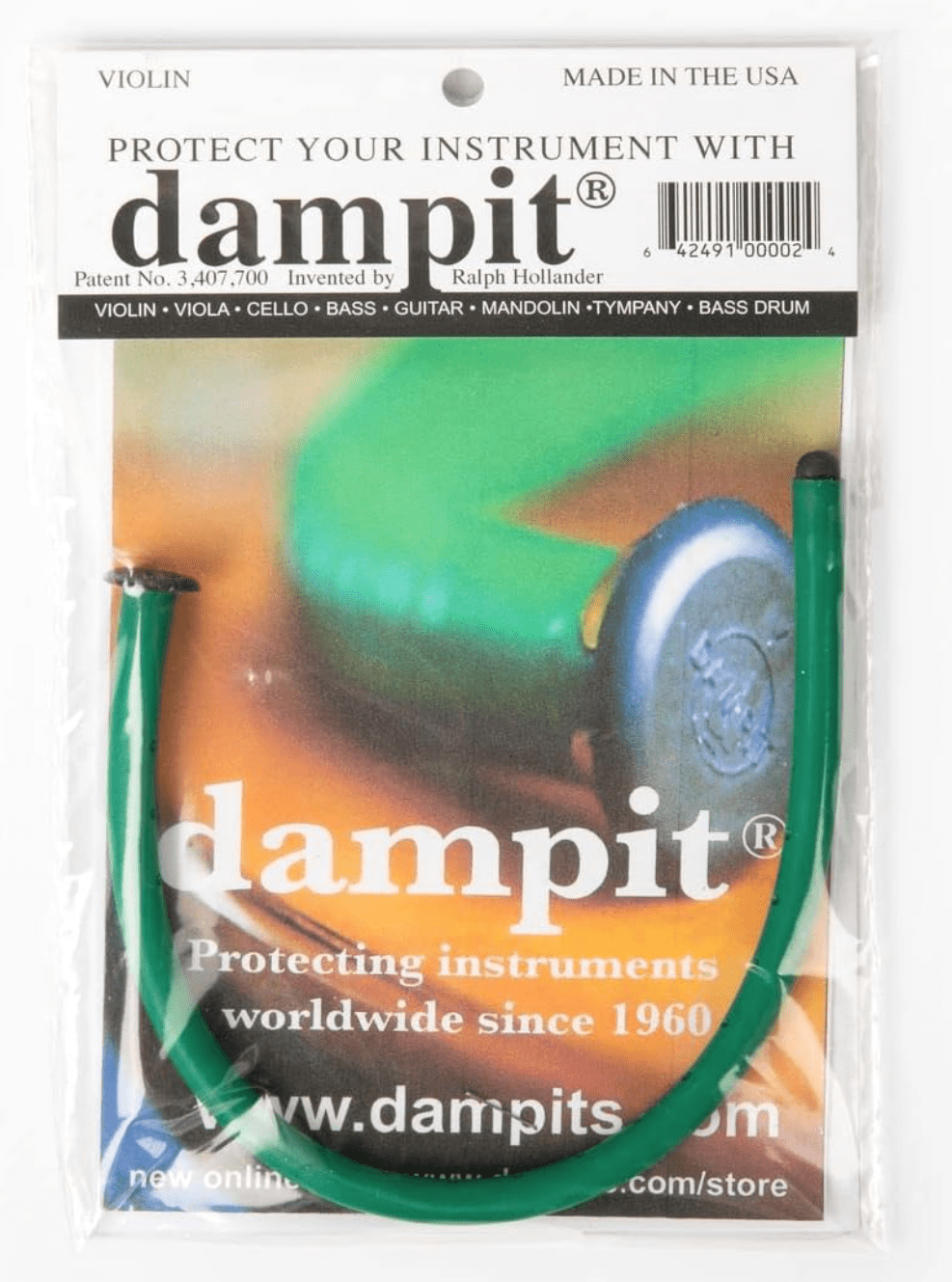
The Dampit is one of the best-known violin humidifiers. It is a rubber tube-style humidifier that is soaked in water, wiped dry on the outside, and placed through the f-hole of the violin.
Some players and shops still use this type of humidifier, especially in very dry conditions. It can raise humidity more directly around the instrument.
But for beginners, I would be more cautious with this style.
The concern is not that a Dampit-style humidifier is automatically bad. The concern is that it involves water very close to the violin. If it is over-soaked, not wiped properly, or used carelessly, you do not want moisture dripping inside the instrument.
If you use one, follow the instructions exactly. It should be damp, not dripping. The outside should be wiped dry before it goes near the violin. You should also use a hygrometer so you are not humidifying blindly.
For most beginners, I would start with a case-based system before using anything that goes into the violin itself.
Best for: Very dry conditions, players who understand how to use it carefully, and situations where case humidity alone is not enough.
Not ideal if: You are nervous about water near the instrument, you tend to rush, or you do not have a hygrometer.
|
Best known tube-style humidifier The Original Dampit Violin Humidifier |
Oasis and D’Addario-Style Case Humidifiers
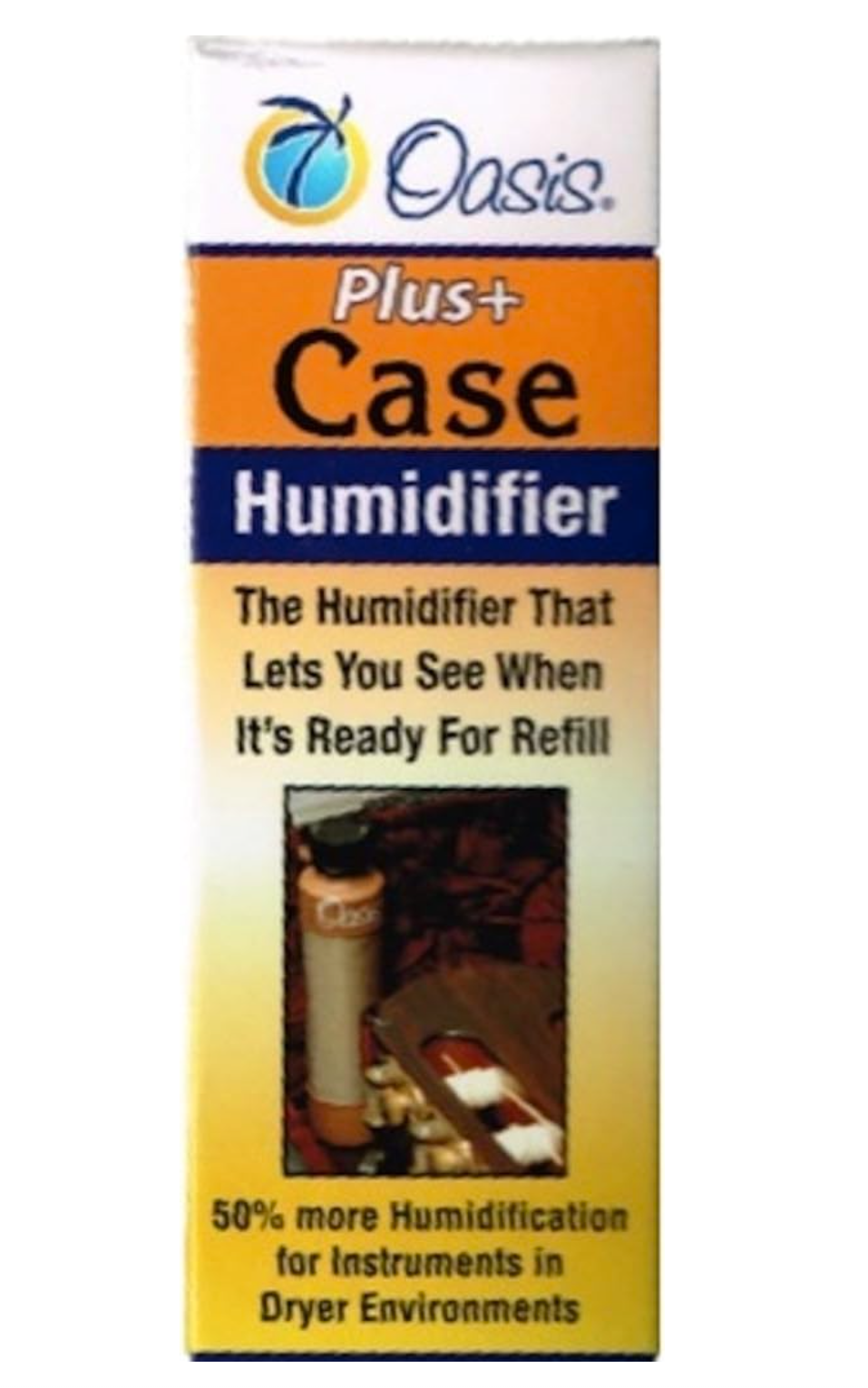
Oasis and D’Addario-style case humidifiers are also worth considering. These usually use a sponge, gel, or internal material that holds moisture and releases it gradually.
Like Stretto-style humidifiers, they are often placed in the case rather than inside the violin. That makes them easier for many beginners to manage.
The main thing to check is size and placement. You want a humidifier that fits safely in your violin case without pressing against the instrument or bow. You also want something that can be refilled without making a mess.
This can be a good option if you want a refillable case humidifier and do not mind checking it regularly.
Best for: Players who want a reusable case humidifier, dry climates, and winter storage.
Not ideal if: You want the lowest-maintenance setup possible.

|
Best refillable case humidifier Oasis Guitar Case Humidifier OH-6 Works in many string-instrument cases, including violin and viola cases, when placed according to the instructions. |
|
Best stronger case option Oasis Case Plus+ Humidifier |
Room Humidifiers: Best When the Whole House Is Dry
A case humidifier helps inside the violin case. A room humidifier helps the room itself.
If you practice in the same room every day and the room gets very dry in winter, a small room humidifier can be a good investment. It helps create a more stable environment not only for your violin, but also for your bow, sheet music, furniture, and your own comfort.
A room humidifier is especially useful if your home has forced-air heat and your indoor humidity drops for weeks at a time.
Look for a model that is easy to clean, quiet enough for a practice space, and large enough for the room. A built-in humidity display can be helpful, but I would still keep a separate hygrometer near the violin or inside the case.
The biggest drawback is maintenance. Room humidifiers need regular cleaning. If you ignore them, they can become unpleasant or unhealthy.
Best for: Very dry homes, winter practice rooms, and players with more than one wooden instrument.
Not ideal if: You only need protection inside the case or do not want to clean and refill a room humidifier.

|
Best simple practice-room humidifier LEVOIT Top Fill Humidifier, 2.5L |

|
Best with smart controls Dreo Smart Humidifier, 4L |

|
Best compact option Pure Enrichment MistAire Studio Ultrasonic Cool Mist Humidifier |
What If Your Home Is Too Humid?
Not everyone needs to add moisture.
If you live in a humid region, or if your practice room often stays above a safe range, you may need the opposite: moisture control.
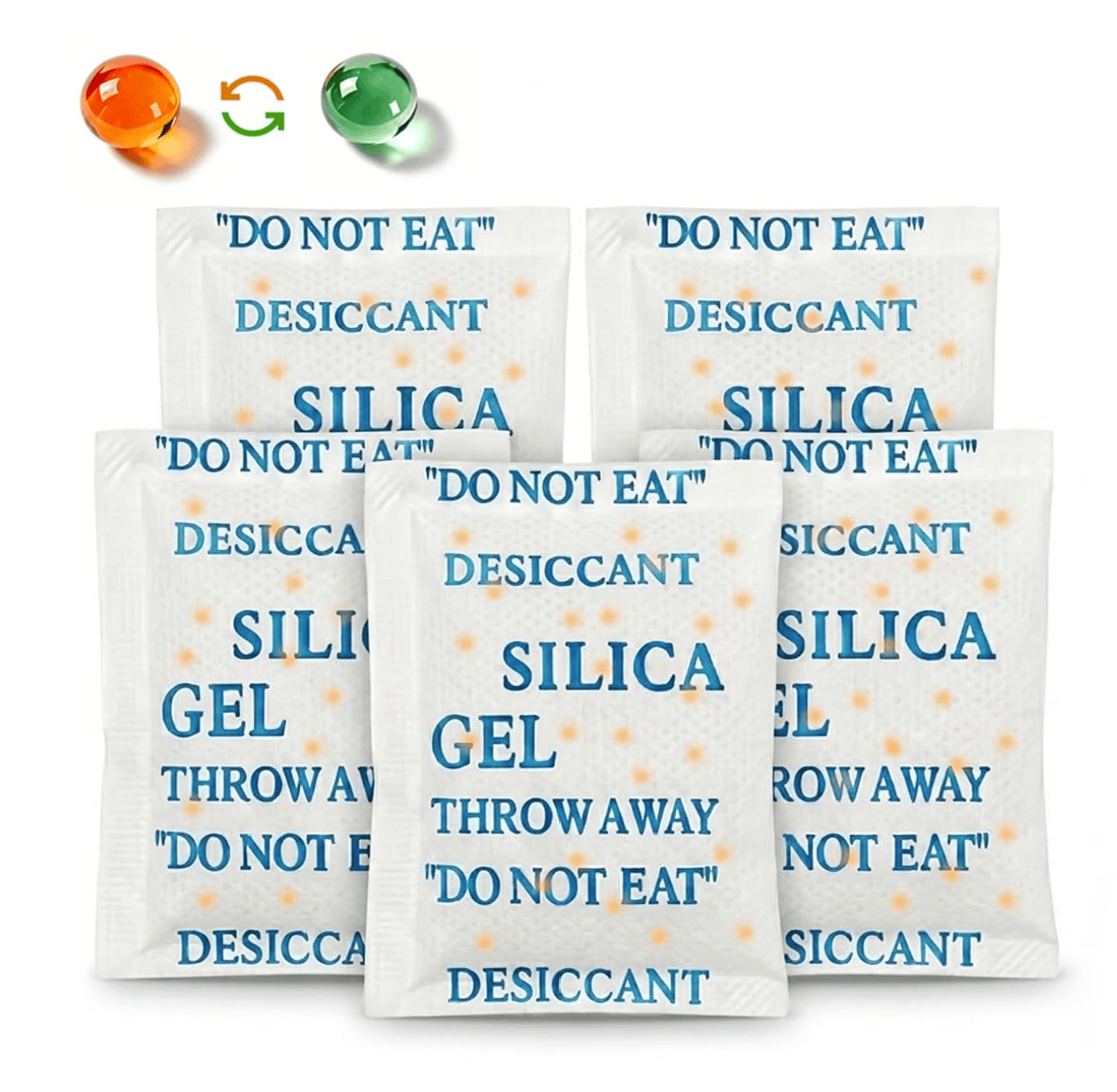
In that case, a humidifier is not the right tool. You may need silica gel packs, a small case dehumidifier, a room dehumidifier, or better air circulation.
This is another reason a hygrometer matters. Without measuring, you may accidentally add moisture when the violin already has too much.
For humid homes, start by checking both the room and the case. If the case stays too damp, consider moisture-absorbing packs or a small dehumidifier for the room where you store the violin.

|
Best instrument-case moisture control kit D’Addario Guitar Dehumidifier System – Humidipak Absorb Kit Designed for instrument cases. Check the size and placement before using it in a violin or viola case. |

|
Best small-space dehumidifier Eva-Dry Wireless Mini Dehumidifier, White E-333 Better for a closet, cabinet, or small storage area where your violin case is kept, not directly inside the violin case. |
|
Best budget moisture absorber GamPark 50 Pack 5 Gram Desiccant Packs for Storage, Premium Silica Gel Packets A budget option for absorbing extra moisture in storage areas or case compartments when used carefully and monitored. |
Case Humidifier vs Room Humidifier: Which Is Better?
A case humidifier is usually the better first choice for a beginner because it protects the violin where it spends most of its time.
A room humidifier makes more sense when the whole room or home stays dry for long periods, especially in winter.
A simple rule is this:
- If the case is dry, use a case solution.
- If the room is dry, use a room solution.
- If both are dry, use both carefully and keep checking with a hygrometer.
Start by measuring, then choose the smallest solution that solves the problem. Then choose the smallest solution that solves the problem.
Simple Buying Recommendation
For most adult beginners, the safest starting point is a small digital hygrometer. Put it in your violin case for several days before buying a humidifier.
If the case regularly gets too dry, add Boveda packs or a Stretto-style case humidifier. If the whole room is dry in winter, a small room humidifier can help too. If your case or room is already humid, do not add more moisture.
For most beginners, the best first setup is simple:
Digital hygrometer + Boveda packs or a Stretto-style case humidifier.
If you want the easiest route, start with one of the hygrometers listed earlier, then add the Boveda starter kit if your case is dry. If you prefer something reusable, the Stretto case humidifier is the better fit.
What I Would Avoid as a Beginner
The biggest mistake is using humidity products without measuring first.
A violin humidifier should solve a real problem. It should not be something you add just because you saw it online.
I would avoid using a humidifier without a hygrometer, over-soaking sponge or tube humidifiers, leaving a wet humidifier loose in the case, placing the violin near heaters or vents, and adding moisture during already-humid months.
I would also be careful with any humidifier that goes inside the violin. It may be useful in the right situation, but it needs to be used correctly.
If your violin is buzzing, cracking, opening at the seams, or acting strangely after a season change, do not keep adding humidity and hoping it fixes everything. Start with simple checks, then see a luthier if something looks wrong.
Helpful related guides:
Why Is My Violin Buzzing or Rattling? Simple Checks Before You Visit a Luthier
Signs Your Violin Needs a Luthier: What You Can Fix Yourself
How Humidity Affects Tuning
Humidity and temperature can also affect tuning stability.
If your violin keeps going out of tune after moving from a cold car into a warm room, the problem may not be your strings. The violin may simply need time to adjust.
Dry air can also make pegs slip and the violin feel less stable overall.
If tuning problems seem tied to weather or season changes, this guide may help: How Temperature Affects Violin Tuning and What to Do About It.
Do Expensive Violins Need More Humidity Care?
Expensive violins are worth protecting, but humidity care is not only for expensive instruments.
Beginner and intermediate violins can also suffer from dry air, open seams, cracks, and tuning problems. They are also more likely to be stored casually near windows, vents, cold rooms, or dry bedrooms.
You do not need a complicated setup. But you do need awareness.
A hygrometer and a basic humidity plan are inexpensive compared with a repair bill.
Should You Leave a Humidifier in the Case All Year?
Not automatically.
Humidity needs change with the season. A case humidifier that helps in January may be unnecessary in July.
This is why measuring matters. If the case humidity is already in a good range, you may not need to add moisture. If the case is too humid, adding a humidifier can make things worse.
Think of humidity care as seasonal, not automatic.
In winter, many players need more help.
In summer, some players need less humidity or even moisture control.
If you are not sure, check the hygrometer before changing anything.
Final Thoughts
A violin humidifier is not something every beginner needs every day of the year. But every beginner should understand humidity well enough to protect the instrument.
The best place to start is simple: measure first, then humidify only if needed.
For most adult beginners, a small digital hygrometer plus a safe case humidity system is enough. Boveda packs are easy and low-maintenance. Stretto-style case humidifiers are good reusable options. Room humidifiers are helpful when the whole home is dry. Dampit-style humidifiers can work, but they should be used carefully.
You do not need to turn violin care into a science project. Keep the instrument away from extreme dryness, avoid rapid changes, and check the case often enough to know what is happening.
A little prevention can save you from cracks, open seams, tuning problems, and avoidable repair costs later.
Affiliate Disclosure: Some links in this article may be affiliate links. As an Amazon Associate and participant in other affiliate programs, we may earn from qualifying purchases at no additional cost to you.
Leave a Reply