
Understand the composers, masterpieces, and history behind the music violinists play and hear.
Classical music is full of famous names, masterpieces, musical periods, and traditions that violinists encounter again and again. But it can be difficult to see how Bach connects to Mozart, how Beethoven changed the musical world around him, or how Paganini, Mendelssohn, Brahms, Tchaikovsky, and later composers continued to reshape what the violin could do.
This 20-lesson course puts those pieces together. Follow the history of violin music across four centuries, meet the composers and performers who shaped it, listen to carefully chosen examples along the way, and learn what changed from one generation to the next.
No purchase required to begin. Full 20-lesson course with the included 14-part bonus guide is $19.95 lifetime.
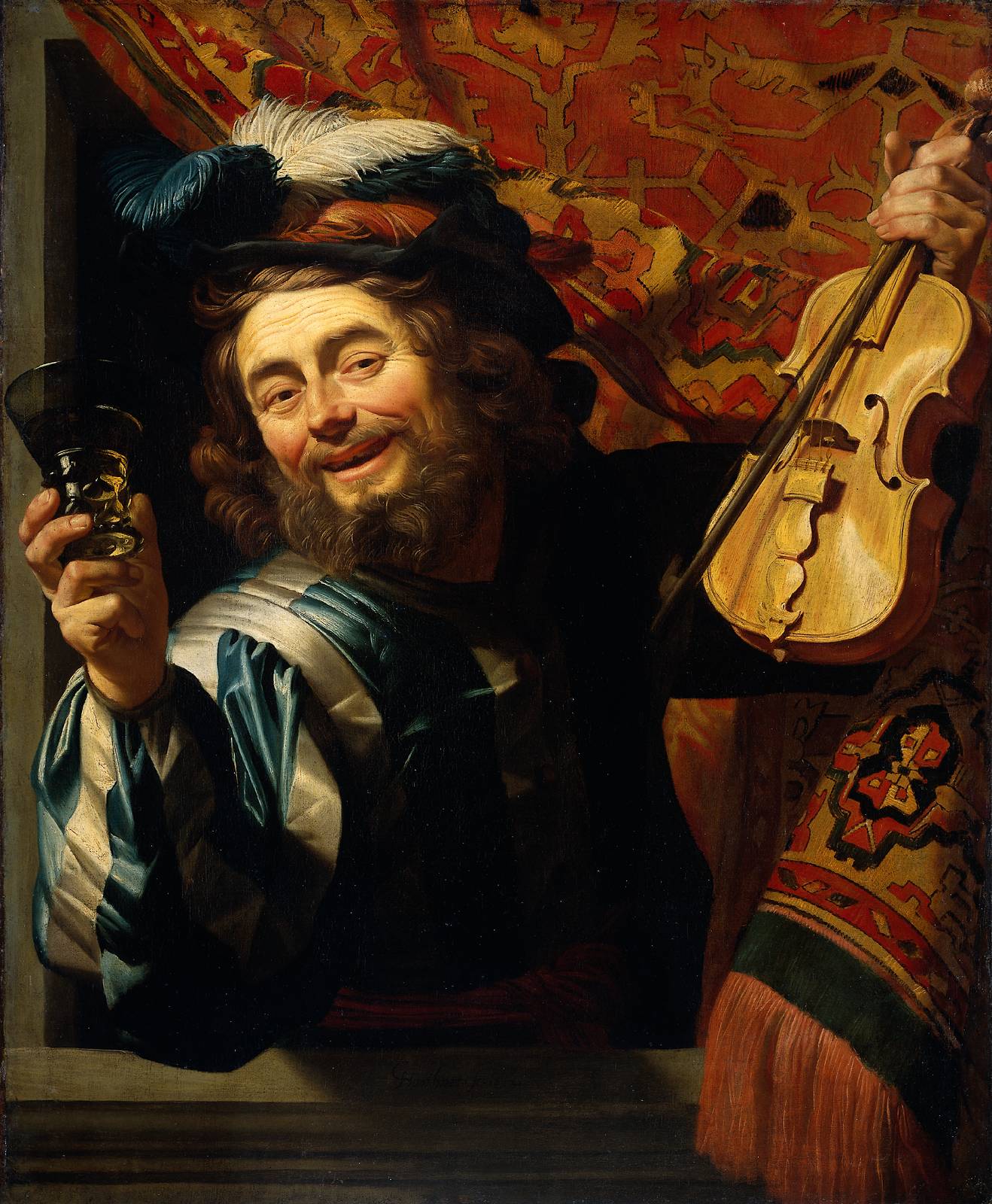
Rijksmuseum · Public Domain
Ever wished classical music made more sense as one connected story?
It is easy to recognize names such as Bach, Mozart, Beethoven, Paganini, Brahms, and Tchaikovsky without really knowing how they fit together. Pieces can become isolated titles, composers can become isolated biographies, and musical periods can feel like labels to memorize.
This course connects those pieces. The goal is not simply to remember dates. It is to understand what musicians inherited, what they changed, what audiences heard as new, and how those changes shaped the music violinists still play today.
Build the mental map that makes composers, works, and musical periods easier to understand.
The course follows history in sequence so each new composer and musical idea has somewhere to fit. Listening examples then let you hear those changes rather than only reading about them.
Follow the history
Move from the musical world before the violin through the Baroque, Classical and Romantic eras and into the twentieth century.
Meet the composers
Learn who the major composers were, what musical world they lived in, and why particular works became important to violinists.
Hear what changed
Guided listening helps you notice changing sound, form, expression, technique, orchestration, and expectations across different eras.
Recognize important works
Encounter concertos, sonatas, solo works, chamber music, orchestral music, virtuoso showpieces, and other works that shaped classical music and violin history.
Connect history to the violin
See how changing musical styles, performers, audiences, concert life, and violin technique influenced the repertoire players inherited.
Understand the language
Learn the terms that appear throughout classical music, with built-in glossary help and a separate bonus guide devoted to titles, movements, forms, dances, and catalogue numbers.
Hear the violin move from a new instrument to one of classical music’s defining voices.
The story develops gradually. New styles grow from older ones, performers stretch what seems possible, composers respond to changing audiences and concert halls, and familiar musical forms continue to evolve.
The violin finds its voice
Begin before the violin was fully established, then follow the rise of the solo violin, the Italian violin school, the concerto, and increasingly ambitious writing for the instrument.
A new musical language takes shape
Hear the shift away from the Baroque world toward greater clarity, balance, changing forms, and a new relationship between soloist, ensemble, and musical structure.
The violin becomes more expressive and more spectacular
Follow the rise of the touring virtuoso, the Romantic concerto, new technical possibilities, and music built for greater drama, individuality, and emotional range.
Old traditions meet a rapidly changing musical world
Finish with composers and violinists responding to recording, new harmonic languages, nationalism, modernism, and changing ideas about what violin music could sound like.
Learn the history, then hear it in the music.
Dates and biographies are useful, but they become much easier to remember when they connect to an actual piece of music and to something you can hear.
Lessons are divided into guided steps so you can move through historical context, composers, important works, listening examples, images, musical terms, review points, and quizzes without facing one enormous wall of information.
What you will encounter throughout the course
- Composer stories placed in historical context
- Major works and why they mattered
- Guided listening with specific things to notice
- Historical images and visual context
- How violin playing and repertoire changed over time
- Important musical forms and terminology explained as they appear
- A built-in classical music glossary
- Key takeaways and short quizzes
- Sources and further exploration
- Listening links with free alternatives throughout the course
One continuous story from the beginnings of the violin to the twentieth century.
Each lesson builds on what came before it, so composers and pieces gradually become part of a larger historical picture instead of a list of disconnected names.
- Before the Violin: Where the Story Begins
- The Violin Finds a Solo Voice
- Corelli and the Italian Violin School
- Biber, Locatelli and Tartini: Virtuosity Before Paganini
- Vivaldi: The Violinist and the Concerto
- Bach and the Violin I: A String Player’s Mind
- Bach and the Violin II: One Violin, Many Voices
- From Baroque to Classical: A New Violin World
- Mozart and the Violin
- Beethoven: The Violin Meets a Larger Musical World
- Paganini Changes What a Violinist Can Be
- Mendelssohn and the Romantic Concerto
- Bruch and Brahms: Two Romantic Ways to Write for Violin
- The Virtuoso-Composers: Wieniawski, Vieuxtemps and Sarasate
- Tchaikovsky and the Russian Romantic Violin
- Ysaÿe: The Violinist as Composer, Interpreter and Inspiration
- Kreisler and the Recording Revolution
- Sibelius: The Violinist Who Became a Composer
- The Violin Enters the 20th Century
- Four Centuries of Violin Music: Hearing the Whole Story
Hear the differences instead of only reading about them.
Listening runs throughout the course because musical history makes more sense when you can hear the ideas being described. The selections are there to focus your attention, not to test whether you can identify everything by ear.
Listening notes point toward particular details such as texture, rhythm, form, violin writing, orchestral role, character, and changing musical style.
Hear how the musical world changes as the course moves from Baroque writing through Classical balance, Romantic expression, virtuosity, and twentieth-century experimentation.
Instead of remembering a composer only as a date or historical figure, connect that name with recognizable music, important works, and a place in the larger story.
Making Sense of Classical Music Titles & Terms
Classical titles can look like a language of their own: concerto numbers, movement names, Italian tempo markings, dance names, opus numbers, BWV numbers, and unfamiliar forms. The full course includes a separate 14-part guide designed to make those labels easier to read and understand whenever you encounter them.
Understand the difference between the work, movement, key, number, nickname, and catalogue information.
Make sense of common tempo and character words that appear in movement titles and printed music.
Learn names such as Allemande, Courante, Sarabande, Gigue, Gavotte, Bourrée, Minuet, Forlane, Loure, Passepied, and Rondeau.
Explore binary, ternary, rounded binary, rondo, ritornello, sonata form, theme and variations, Minuet and Trio, and Scherzo and Trio.
Understand labels such as Sonata, Partita, Suite, Concerto, Symphony, Overture, Fugue, and other forms that appear throughout classical music.
Learn why titles include labels such as Op., BWV, K. or KV, RV, Hob., and other catalogue systems used to organize composers’ works.
Built for violinists who want the music around them to make more sense.
No previous classical music history course is required. The explanations begin with the larger picture, introduce terminology as it becomes useful, and then gradually add detail.
If classical music still feels unfamiliar
Use the course to build a foundation. Learn the major eras, composers, works, and ideas in an order that makes them easier to connect and remember.
If you already know many of the names
Use the course to organize what you already know, fill historical gaps, discover connections between composers, and hear familiar repertoire with more context.
Start with the first three lessons free.
Begin before the violin had fully emerged, follow the instrument as it finds a solo voice, and then meet Corelli and the Italian violin school. These first three lessons introduce the historical approach, listening, and guided course format before you decide whether to continue.
Begin the course and explore the first three lessons with no purchase required.
All 20 lessons, guided listening, historical images, glossary, quizzes, sources, lifetime access, and the complete 14-part Making Sense of Classical Music Titles & Terms bonus guide.
Includes this complete course with its 14-part bonus guide, The History of the Violin Through Its Makers, and full access to Practical Violinist Studio.
Common questions about learning classical music history as a violinist.
What will I learn in The Violinist’s Guide to Classical Music?
The course gives you a connected overview of violin music and classical music history across four centuries. You will learn about major composers, important works, changing musical styles, the development of violin repertoire and technique, and what to listen for in selected pieces.
Which composers are covered?
The course includes Corelli, Biber, Locatelli, Tartini, Vivaldi, Bach, Mozart, Beethoven, Paganini, Mendelssohn, Bruch, Brahms, Wieniawski, Vieuxtemps, Sarasate, Tchaikovsky, Ysaÿe, Kreisler, Sibelius, and important twentieth-century developments involving composers including Debussy, Bartók, and Prokofiev.
Do I need to know music theory before starting?
No. Musical ideas and terminology are introduced as they become useful. The goal is to help you understand the history and hear important differences without assuming that you have already taken a music history or advanced theory course.
Do I need to be an advanced violinist?
No. The course was designed to be approachable for adult beginner-to-intermediate recreational violinists while still giving more experienced players a structured way to deepen their understanding of composers, repertoire, and history.
Is this only a course about violin music?
The violin provides the main path through the story, but the course also looks outward at the larger musical world. Orchestras, concert life, musical forms, other genres, changing audiences, and major historical developments all help explain why violin music changed when it did.
Does the course include music to listen to?
Yes. Guided listening is built throughout the course. Listening selections are paired with specific things to notice so the historical ideas connect with actual music rather than remaining only names, dates, and definitions.
What is included in the bonus guide?
The 14-part Making Sense of Classical Music Titles & Terms guide explains how to read classical titles, movements, Italian tempo and character markings, Baroque dance names, musical forms, work types such as sonata and concerto, and catalogue labels such as BWV, K., RV, and Hob.
Is the bonus guide a separate purchase?
No. The entire 14-part bonus guide is included with full access to The Violinist’s Guide to Classical Music.
How much does the classical music course cost?
The first 3 lessons are free. Lifetime access to all 20 lessons and the complete 14-part bonus guide is a one-time $19.95 purchase. The course is also included with Practical Violinist Studio at $49 lifetime, and a standalone course buyer receives the full $19.95 as credit toward a later Studio upgrade.
Hear the music you already know as part of a much bigger story.
Start with the first three lessons free. Follow the composers, masterpieces, performers, and musical ideas that shaped four centuries of violin music, and continue through the complete course only if you want to go deeper.
Full course plus 14-part bonus guide: $19.95 lifetime. Included with Practical Violinist Studio.