
Last Updated: October 2026
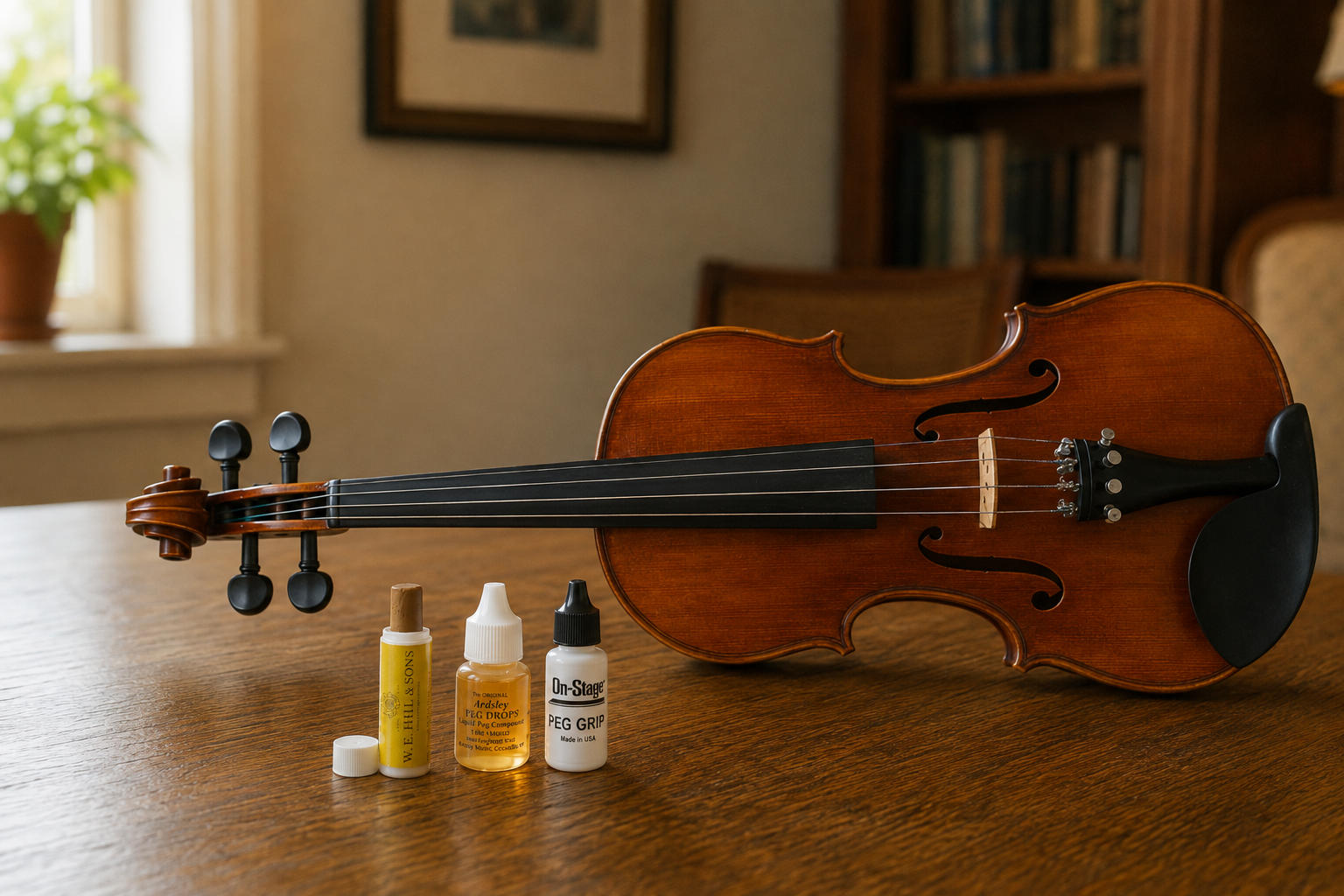
If your violin pegs slip, stick, or squeak when you try to tune, the problem may be easier to correct than you think. Traditional wooden pegs rely on friction to hold their position, and changes in humidity, wear, or an imperfect fit can make them difficult to use.
Violin peg compound and peg drops are two common products designed to help pegs turn smoothly while maintaining enough grip to hold the strings in tune. They’re relatively inexpensive and can often improve a troublesome peg without requiring a repair.
This guide explains how these products work, how to apply them correctly, and which options are worth considering. We’ll also look at geared violin pegs, which offer a different approach to tuning and may be a useful alternative for some players.
What Is Peg Compound (or Peg Drops)?
Violin pegs work on friction. Each peg is a tapered piece of wood that wedges into a matching tapered hole in the pegbox. Turn it, and the friction between the peg and the wood is what holds your string at the right tension. It’s a beautifully simple system that has barely changed in centuries, but it also means the fit has to be just right. Too little friction and the peg slips, letting your string go flat mid-practice. Too much (or wood that’s gotten sticky or swollen from humidity) and the peg binds up, sticks, or squeaks when you try to turn it.
Peg compound is designed to help wooden pegs turn smoothly while maintaining enough friction to stay in position. Traditional compounds typically come as a paste or stick, while peg drops provide a liquid alternative. The formulations and application methods vary, so it’s important to follow the instructions for the particular product you’re using.
These products can be helpful when pegs are sticking, squeaking, or slipping slightly, but they can’t correct a badly worn or improperly fitted peg. In those situations, the peg may need professional adjustment or replacement.
Who This Fix Is For
Peg compound is especially common on student and intermediate violins, which is exactly where most adult beginners and returning players are starting out. Budget and mid-range violins often have pegs and pegboxes that weren’t fitted with quite the same precision as higher-end instruments, so friction problems show up more often. Add in seasonal humidity swings, which cause wood to expand and contract, and it’s easy to end up with a peg that was fine in the spring and impossible in the winter.
Peg compound is a familiar maintenance product in violin shops, teaching studios, and orchestra settings because it can help with common tuning problems without requiring major adjustments. Seasonal changes in temperature and humidity can also affect how wooden pegs fit and turn, even on otherwise well-maintained instruments.
If your tuning problems tend to appear when the seasons change, our article How Temperature Affects Violin Tuning explains why this happens and what you can do about it.
How to Apply Peg Compound
The application method depends on whether you’re using a traditional peg paste or liquid peg drops. Always follow the manufacturer’s instructions, since different products are applied differently.
Applying Traditional Peg Compound
For products such as Hill Peg Compound, the usual process involves removing the affected peg so the compound can be applied directly to its contact areas.
- Loosen and unwind the string from the problem peg, leaving the other strings in place.
- Carefully remove the peg from the pegbox.
- Wipe away any dirt or old residue from the peg’s contact areas.
- Apply a thin layer of compound to the two areas of the peg that contact the pegbox.
- Reinsert the peg, turn it gently to distribute the compound, and restring and retune.
Use only a small amount. Excess compound can create additional problems rather than improving the fit.
Applying Liquid Peg Drops
Products such as Ardsley Peg Drops have a somewhat simpler application method.
- Loosen the affected peg enough to relieve the string tension.
- Slide the peg slightly outward without removing it completely.
- Apply the recommended amount of liquid at the points where the peg contacts the pegbox.
- Push the peg back into position, wipe away any excess liquid, and retune.
The Ardsley instructions specify one drop at each contact point.
If you’re uncomfortable loosening strings or removing a peg, a violin teacher or luthier can help. Avoid forcing a peg that feels unusually tight, and work on only one string at a time to maintain tension on the instrument.
Best Violin Peg Compounds and Peg Drops to Try
Here are a few well-regarded options, from the traditional paste that’s been a staple in string shops for decades to easier liquid versions made for quick home use.
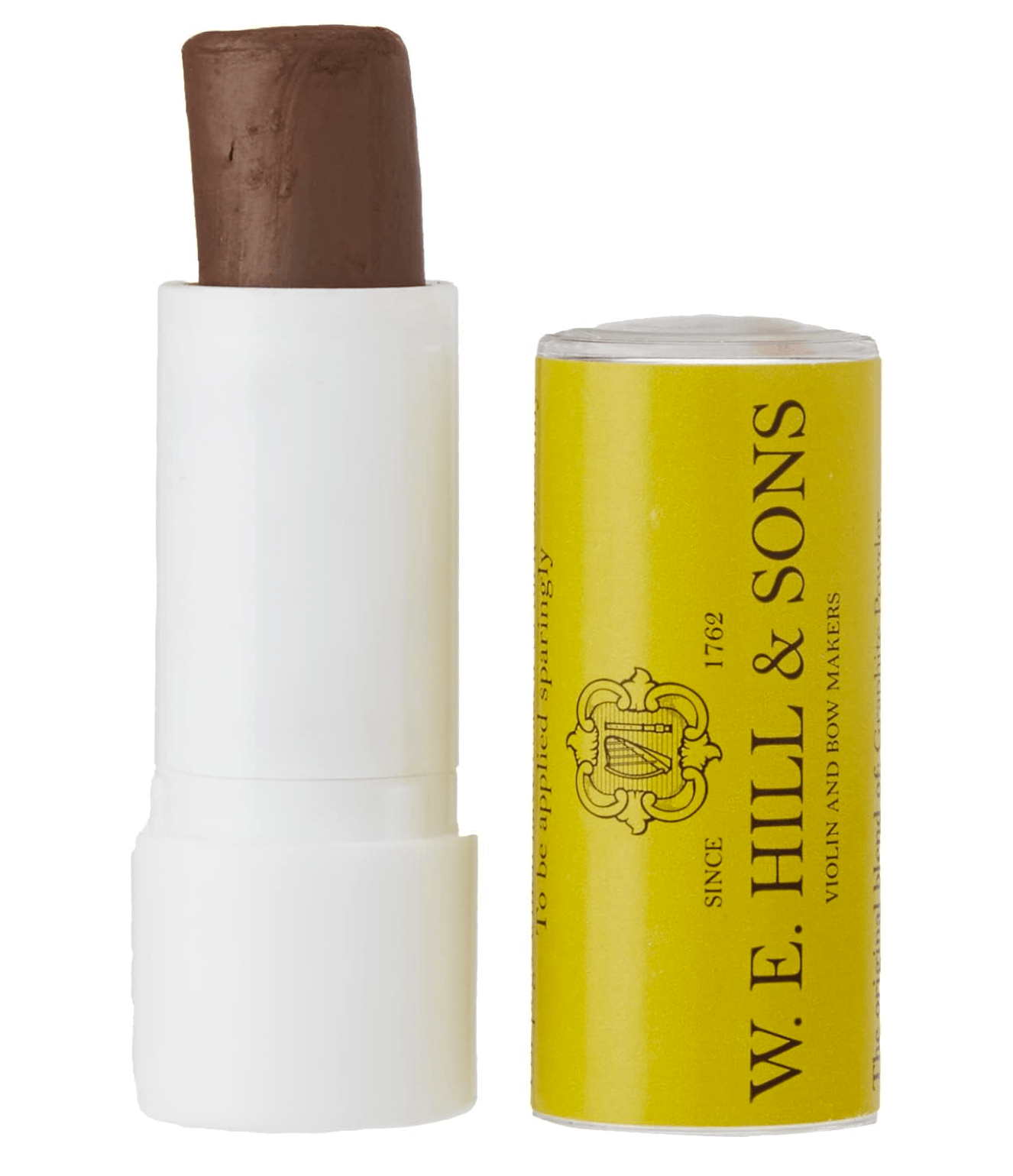
Hill Peg Compound
The classic choice, and the one you’ll most often find in a luthier’s shop or a teacher’s case. It’s a traditional paste rather than a liquid, so it gives you a bit more control over how much you apply, and it’s trusted by generations of players and repair techs.

Ardsley Peg Drops
A liquid version that’s about as easy as this gets. You loosen the peg, add a single drop, and retighten, no paste to work in and no mess. A good option if you want something quick to keep in your case for on-the-spot fixes.
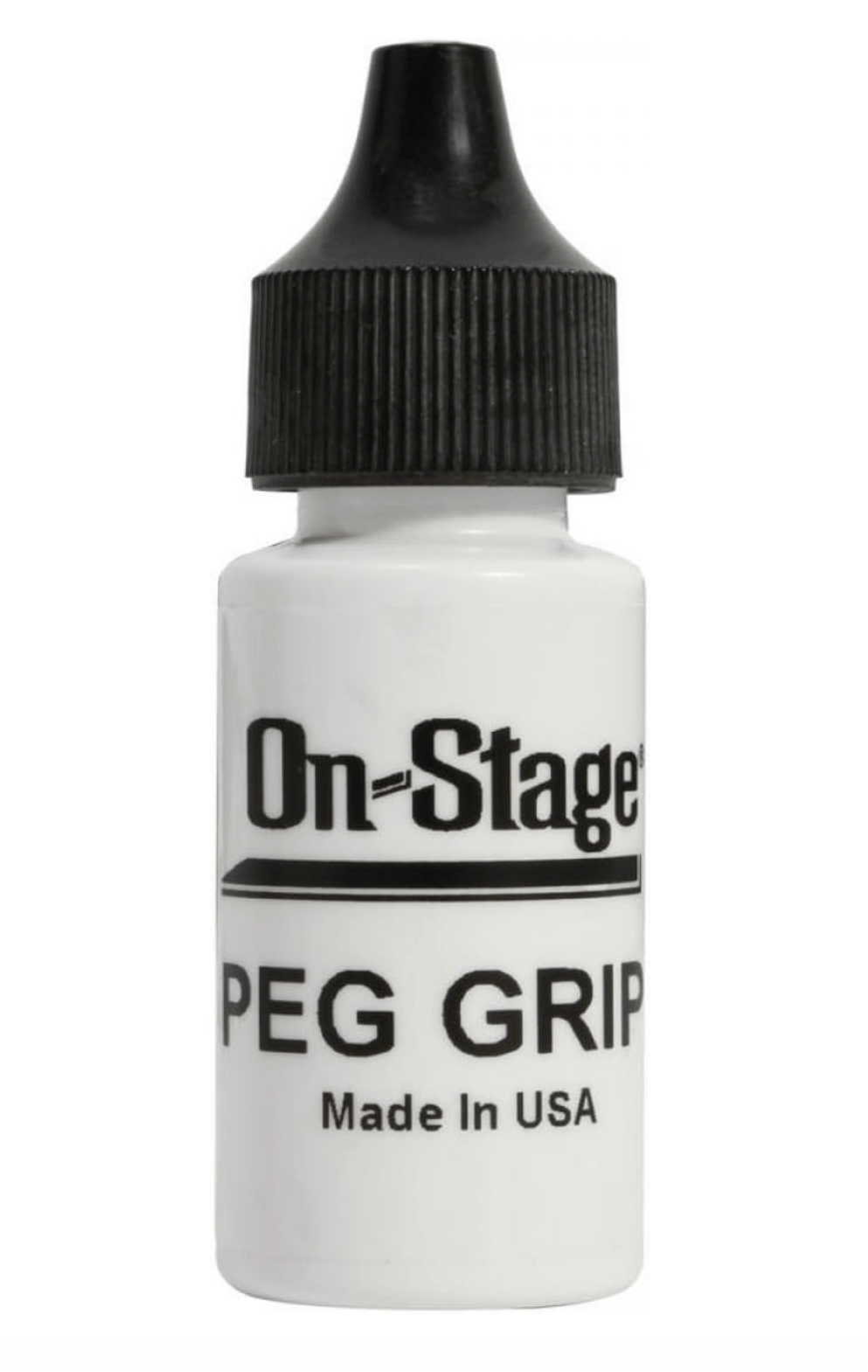
On-Stage Peg Compound
A budget-friendly, reliable option that does exactly what it needs to. If you just want something affordable to have on hand for occasional peg trouble, this covers the basics well.
When Peg Compound Isn’t Enough
Peg compound can help with minor slipping or sticking, but it won’t correct every peg problem. If a peg continues slipping after proper application, feels loose or wobbly, or requires excessive force to turn, the fit between the peg and pegbox may need attention.
Over time, wooden pegs can wear unevenly, and the holes in the pegbox can become enlarged or misshapen. A luthier may be able to correct the fit by adjusting or replacing the peg. More extensive wear sometimes requires repairing the pegbox holes.
Avoid forcing a stubborn peg farther into the pegbox, since excessive pressure can damage the surrounding wood.
For a broader explanation of which violin problems you can address yourself, see Signs Your Violin Needs a Luthier.
Geared Violin Pegs: An Alternative to Traditional Wooden Pegs
If you’ve struggled with slipping or sticking pegs for a long time, you may have considered geared violin pegs, sometimes called planetary pegs.
These look similar to traditional tuning pegs but contain an internal gear mechanism that allows smaller, more precise tuning adjustments. Rather than relying on the friction of a turning wooden shaft, the gearing provides mechanical control over string tension.
Geared pegs can make tuning considerably easier, particularly for players who have difficulty operating traditional friction pegs.
Advantages of Geared Pegs
- Easier tuning: Small adjustments are more manageable, especially when bringing strings to their exact pitch.
- Reduced slipping and sticking: The internal gearing largely eliminates the friction-related problems associated with traditional wooden pegs.
- Traditional appearance: Most designs resemble ordinary violin pegs rather than the exposed tuning machines found on guitars.
- Convenience: They can be particularly helpful for adult beginners, younger students, players with limited hand strength, and anyone who prefers simpler tuning.
Why Do Many Violinists Keep Traditional Pegs?
Traditional wooden pegs have worked successfully for centuries, and a properly fitted set can provide reliable tuning without special mechanisms.
Many violinists prefer to retain their original pegs because they’re already familiar with them and see no reason to change. On valuable or historic instruments, preserving original fittings and avoiding unnecessary changes to the pegbox may also be important.
Geared pegs require careful sizing and installation. Depending on the model and the instrument, fitting them may involve adjusting the peg holes. Knilling and Wittner also use different installation systems, so the process isn’t identical between brands.
Although geared pegs can be removed or replaced, installation isn’t always completely reversible if the original peg holes have been enlarged. For that reason, having a qualified luthier handle the installation is advisable.
Geared pegs aren’t just for beginners or inexpensive instruments. They’re a legitimate alternative for players who want more convenient tuning, regardless of experience level. The decision is largely a matter of personal preference, instrument suitability, and whether the added convenience justifies the installation cost.
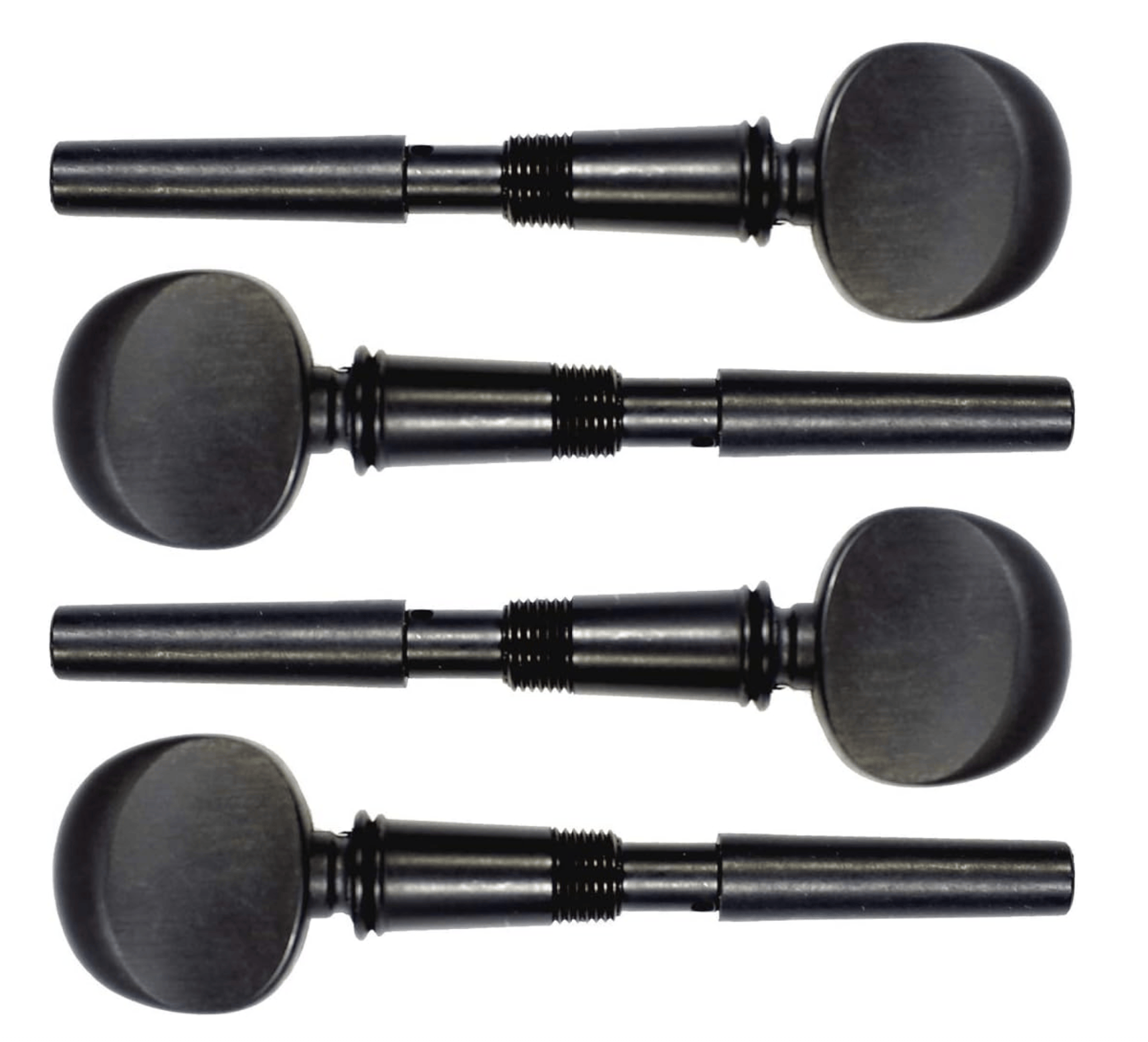
Knilling Perfection Planetary Geared Pegs
A well-regarded geared peg system that keeps the traditional appearance of violin pegs while making tuning smoother and more precise. The internal gearing eliminates the slipping and sticking that can make traditional friction pegs frustrating to use.
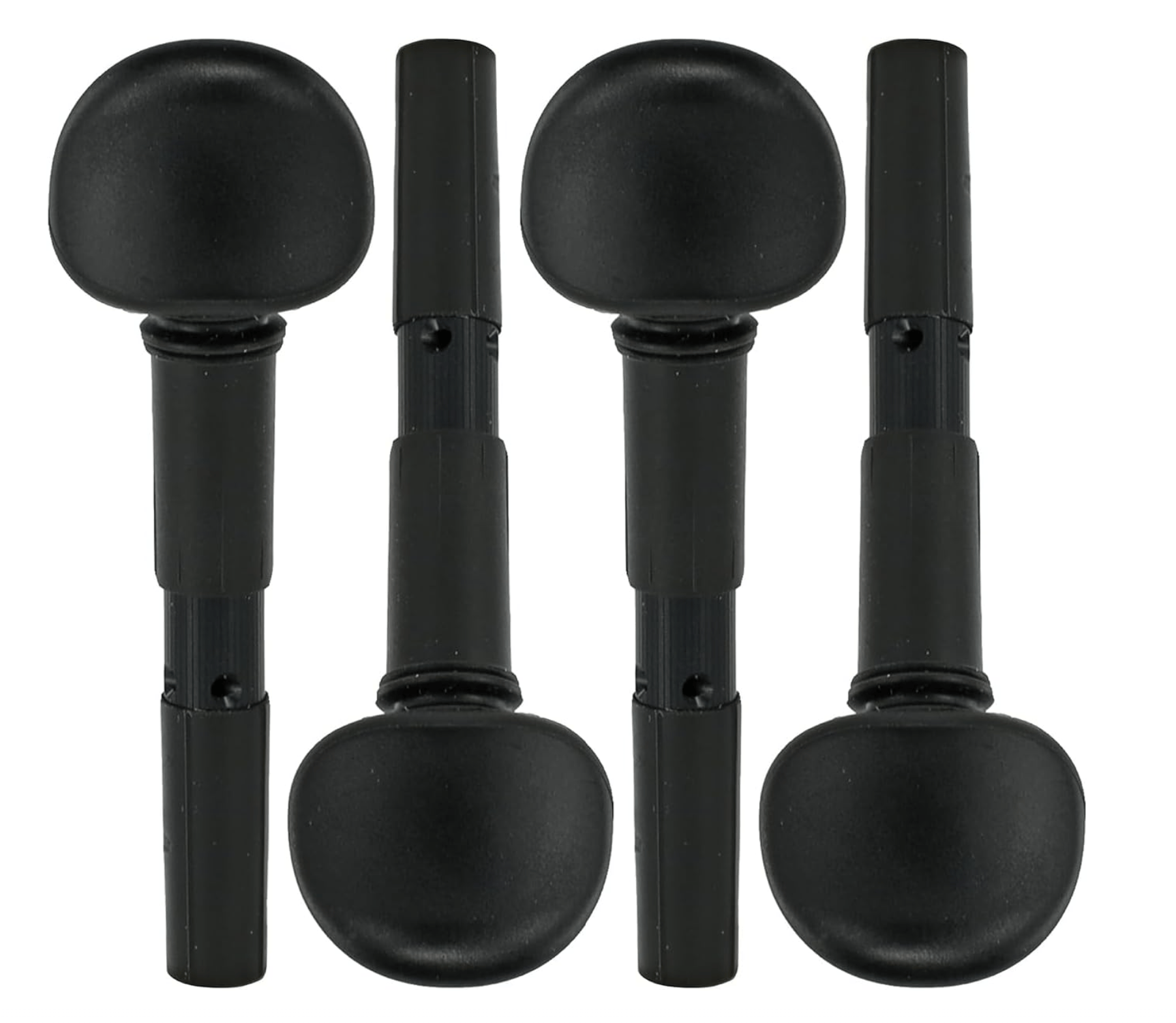
Wittner Finetune Geared Pegs
Another popular geared option that gives you smooth, precise tuning while maintaining a traditional violin-peg appearance. Wittner Finetune pegs are a good alternative to the Knilling system if you want the convenience of geared tuning without adding visible guitar-style tuners to the instrument.
Sizing note: Geared violin pegs come in different shaft diameters. The correct size depends on the existing peg holes in your violin, so this is something a luthier should measure before you order. The Knilling set linked above is the 8.3 mm version, and the Wittner set is the 8.6 mm version for 4/4–3/4 violin.
Which One Should You Try First?
If you’re dealing with a peg that occasionally slips, sticks, or squeaks, peg compound is usually a reasonable first option, provided the peg is otherwise in good condition. A small amount may improve how the peg turns and holds its position without requiring an expensive repair.
For more persistent problems, particularly when a peg feels loose, worn, or unusually difficult to turn, it’s worth having a luthier examine the fit before applying more compound.
Geared pegs are another option if you prefer easier, more precise tuning or regularly struggle with traditional wooden pegs. They’re a bigger investment, especially when professional installation is included, but the convenience may be worthwhile for some players.
Whatever you choose, reliable tuning makes daily violin practice more enjoyable. If you’re still putting together your basic maintenance supplies, Essential Tools Every Adult Violinist Should Own covers other useful items to keep in your case.
Affiliate Disclosure: As an Amazon Associate and participant in other affiliate programs, Practical Violinist may earn from qualifying purchases at no additional cost to you.
Leave a Reply