

Last Updated: June 2026
If you’re upgrading your violin bow, one of the first real decisions you’ll face is material:
- Traditional pernambuco wood
- Modern carbon fiber
Both can be excellent, but they feel, respond, and behave very differently.
For adult beginners and intermediates, choosing the right material can make a noticeable difference in:
- Tone quality
- Control and consistency
- Practice comfort
- Long-term reliability
This guide will help you understand how they compare, and which one actually fits your situation.
Quick Answer
- Choose carbon fiber if: you want consistency, durability, and an easier playing experience
- Choose pernambuco if: you want a more traditional feel and are willing to deal with variability
For most adult beginners and intermediates → carbon fiber is the safer and more practical choice.
What Is Pernambuco
Pernambuco is a rare hardwood native to Brazil and has been traditionally used in high-quality violin bows for centuries.
It became the standard because of its unique combination of:
- Strength
- Flexibility
- Natural resonance
A well-made pernambuco bow can feel:
- More alive
- More responsive to subtle technique
- Slightly more nuanced in tone color
Pros of Pernambuco Bows
- Rich, warm tonal character
- Traditional “classic” feel
- Can offer excellent articulation in higher-quality bows
- Preferred by many advanced and professional players
Cons of Pernambuco Bows
- Quality varies a lot, especially under ~$300
- Sensitive to humidity and temperature
- Can warp or change over time
- Harder to buy online confidently
- Often overpriced at lower quality levels
Most affordable pernambuco bows don’t actually perform better than carbon fiber, they’re just wood.
What Is Carbon Fiber (And Why It’s So Popular Now)
Carbon fiber bows are engineered using composite materials designed to mimic and in some ways improve on wood.
They’ve become extremely popular because they offer:
- Consistency
- Durability
- Predictable performance
Pros of Carbon Fiber Bows
- Very consistent from bow to bow
- Resistant to humidity and warping
- Durable (great for daily practice)
- Easier to control for developing players
- Excellent value for the price
Cons of Carbon Fiber Bows
- Slightly less tonal complexity at high levels
- Can feel a bit “uniform” compared to fine wood bows
- Less traditional feel (subjective)
The Real Difference: How They Feel When You Play
This is where the decision becomes clear.
Carbon Fiber Feel
- Stable and predictable
- Easier to keep straight bow
- Forgiving with pressure and contact
- Helps reduce scratchy or unstable tone
👉 For adult learners, this often means:
- Less frustration
- Faster improvement
- More consistent sound day-to-day
Pernambuco Feel
- More variation from bow to bow
- Can feel more flexible or “alive”
- Responds more to subtle technique changes
👉 But here’s the catch:
If your technique is still developing, this can feel like:
- Inconsistent response
- Harder control
- More effort to get clean sound
Why Carbon Fiber Is Usually Better for Adult Beginners
Most adult players benefit more from:
- Stability
- Predictability
- Lower maintenance
Carbon fiber supports exactly that.
It helps with:
- Cleaner note starts
- Smoother bow changes
- More consistent tone
This aligns with what many adult learners struggle with early on, especially if you’ve noticed issues like surface noise or uneven tone.
When Pernambuco Actually Makes Sense
Pernambuco becomes a better choice when:
- You already have good bow control
- You can feel subtle differences in response
- You’re refining tone color and articulation
- You’re buying from a trusted shop (not random listings)
In other words:
👉 It’s usually a later-stage upgrade, not an early one.
Price Reality (This Matters More Than Material)
Here’s where a lot of people get misled:
| Price Range | What You Actually Get |
|---|---|
| Under $150 | Carbon fiber almost always better |
| $150–$300 | Carbon fiber still safer |
| $300–$600 | Both can be good (depends on quality) |
| $600+ | Pernambuco starts to shine more |
👉 Important takeaway:
A $120 carbon fiber bow will usually outperform a $120 pernambuco bow.
Best Use Cases (Simple Decision Guide)
Choose Carbon Fiber if:
- You’re a beginner or early intermediate
- You practice a few times per week
- You want consistency and ease of use
- You’re buying online
- You don’t want to worry about maintenance
Choose Pernambuco if:
- You’ve been playing for a while
- You’re refining tone and expression
- You can test bows in person
- You’re investing $300+
- You prefer a traditional feel
Recommended Direction
Instead of thinking:
“Wood vs carbon fiber”
Think:
“What helps me play better right now?”
For most adult learners:
👉 Start with a quality carbon fiber bow
👉 Upgrade to pernambuco later if needed
This avoids:
- Overpaying for inconsistent wood bows
- Fighting unnecessary technique challenges
- Buying twice too soon
Recommended Carbon Fiber Bows
If carbon fiber sounds like the better fit for your needs, these are reliable options at different levels—without overcomplicating the decision.
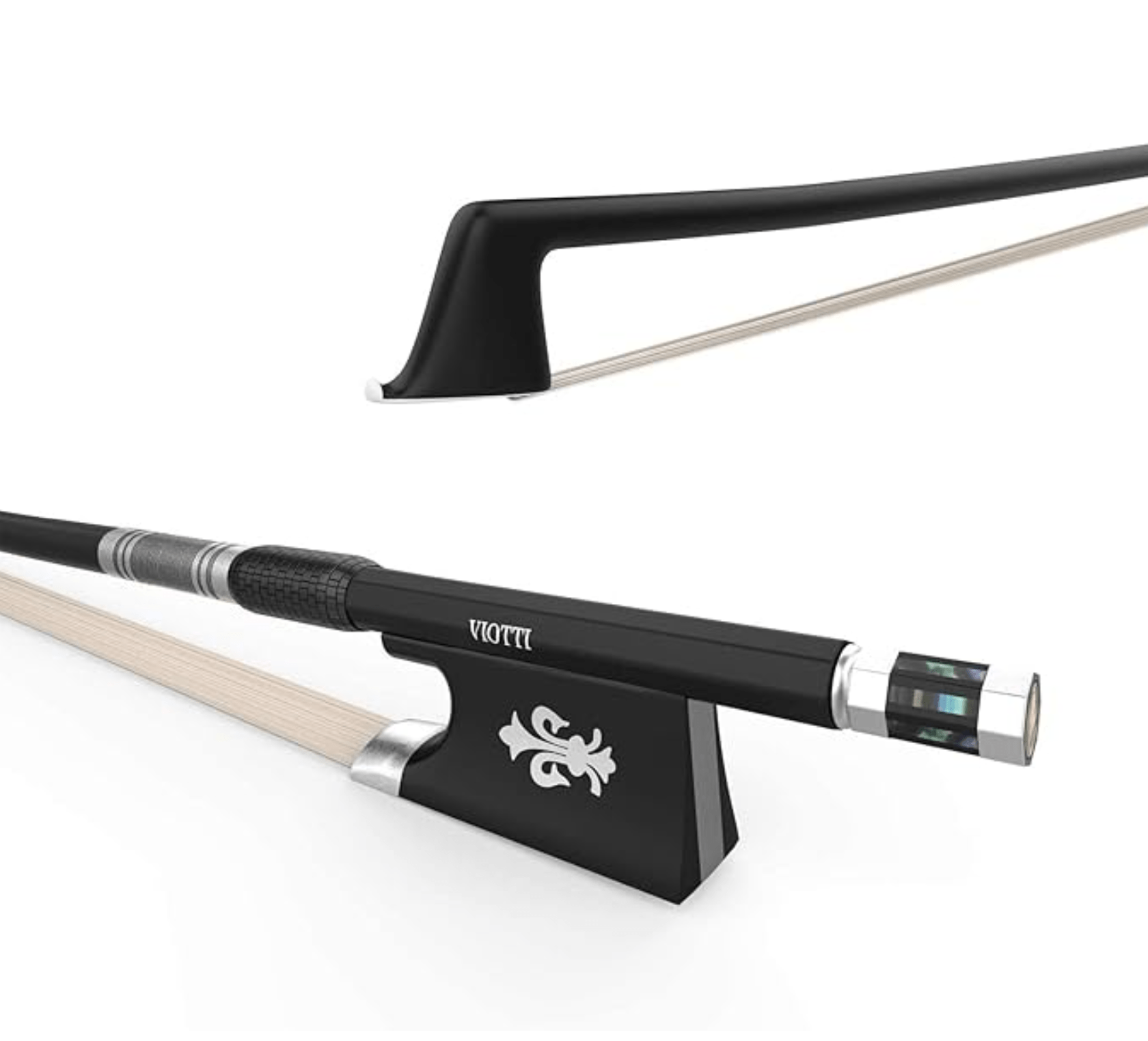
Viotti Carbon Fiber Violin Bow
Best for: Budget-friendly first upgrade
Affordable, durable, and far more consistent than most basic outfit bows.
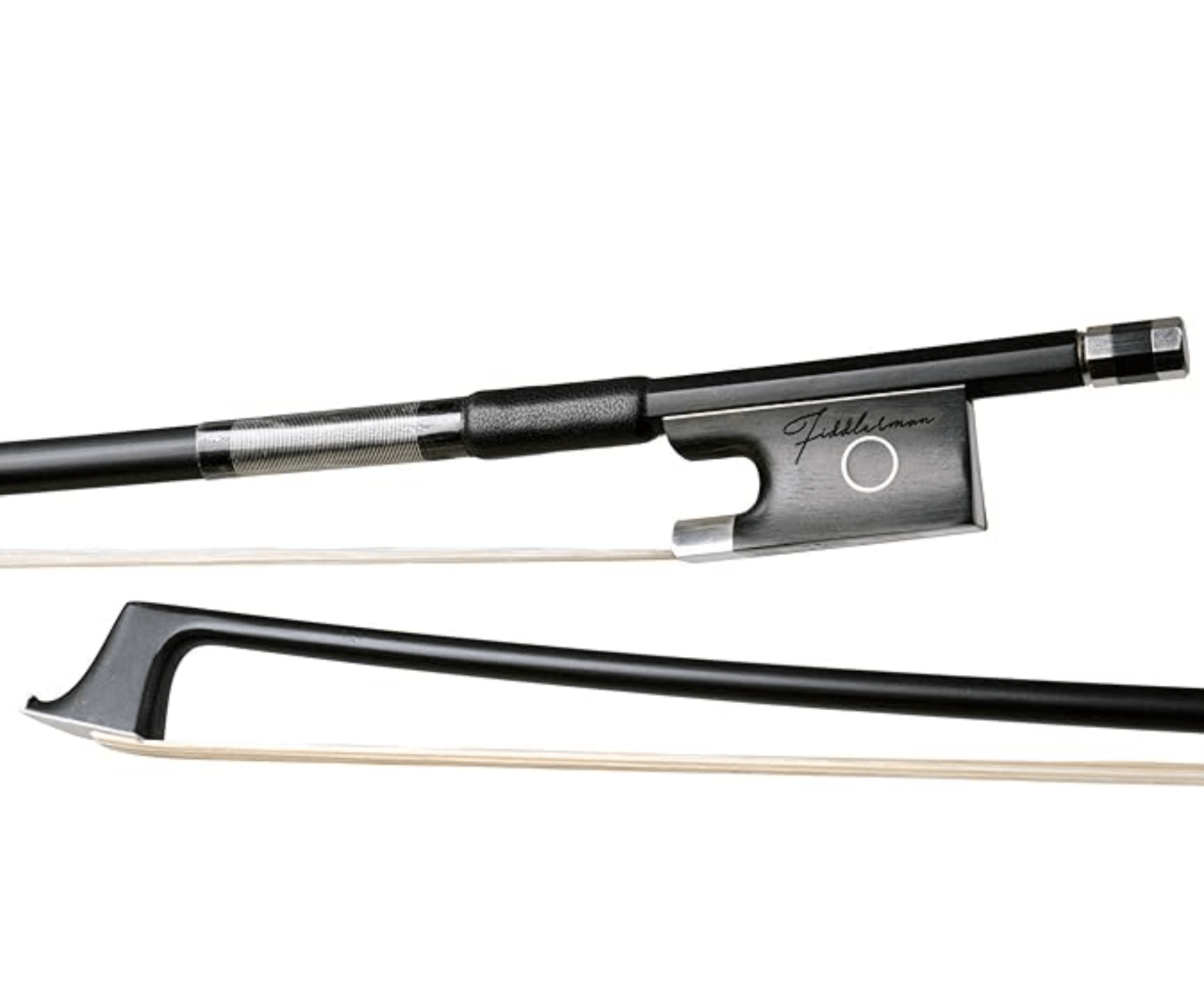
Fiddlerman Carbon Fiber Violin Bow
Best for: Adult beginners who want a smooth, forgiving feel
Excellent balance and control, making early progress feel easier and more stable.
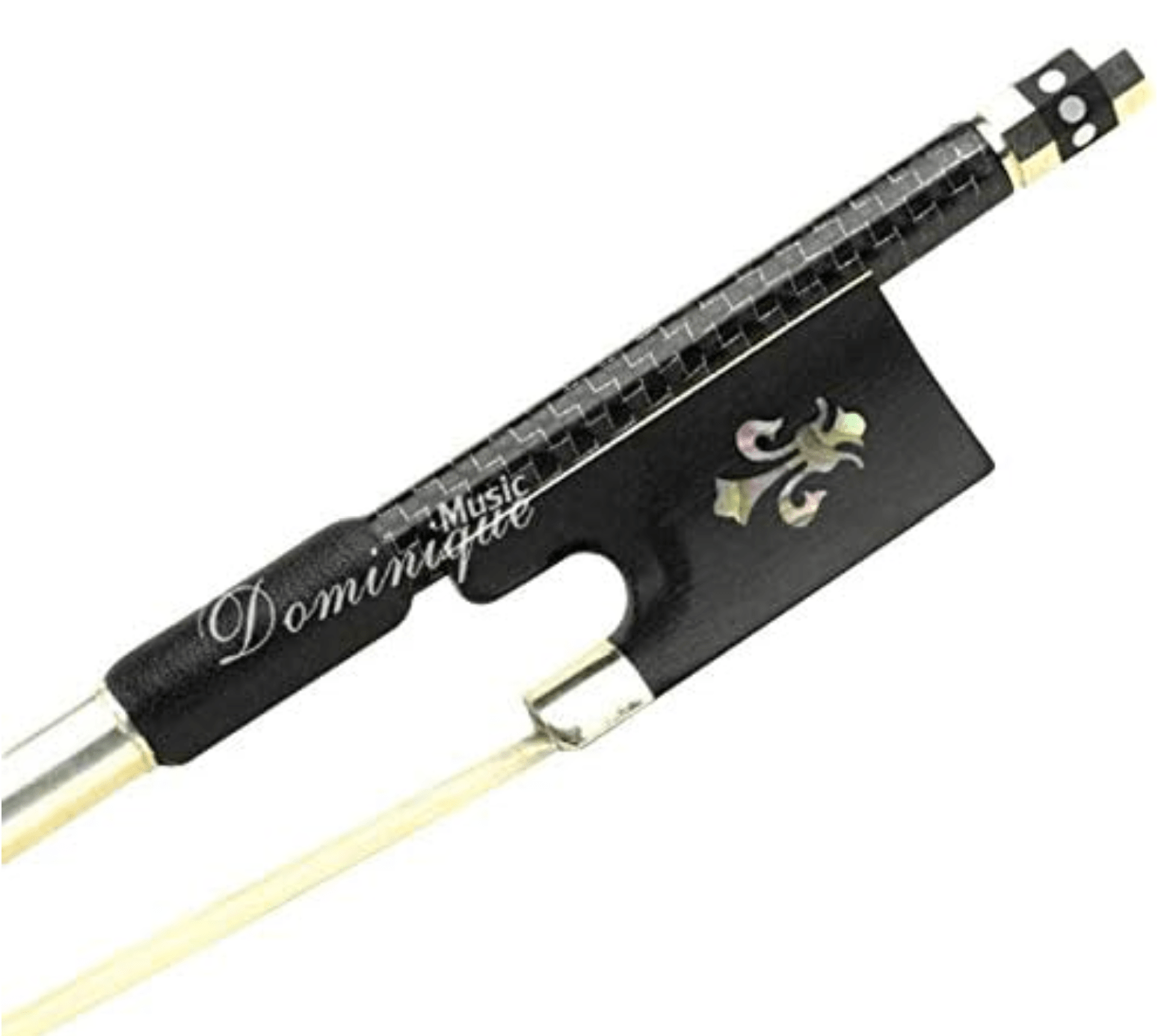
D Z Strad Carbon Fiber Master Model Violin Bow
Best for: Improving control and tone
Better responsiveness and balance for players refining technique.
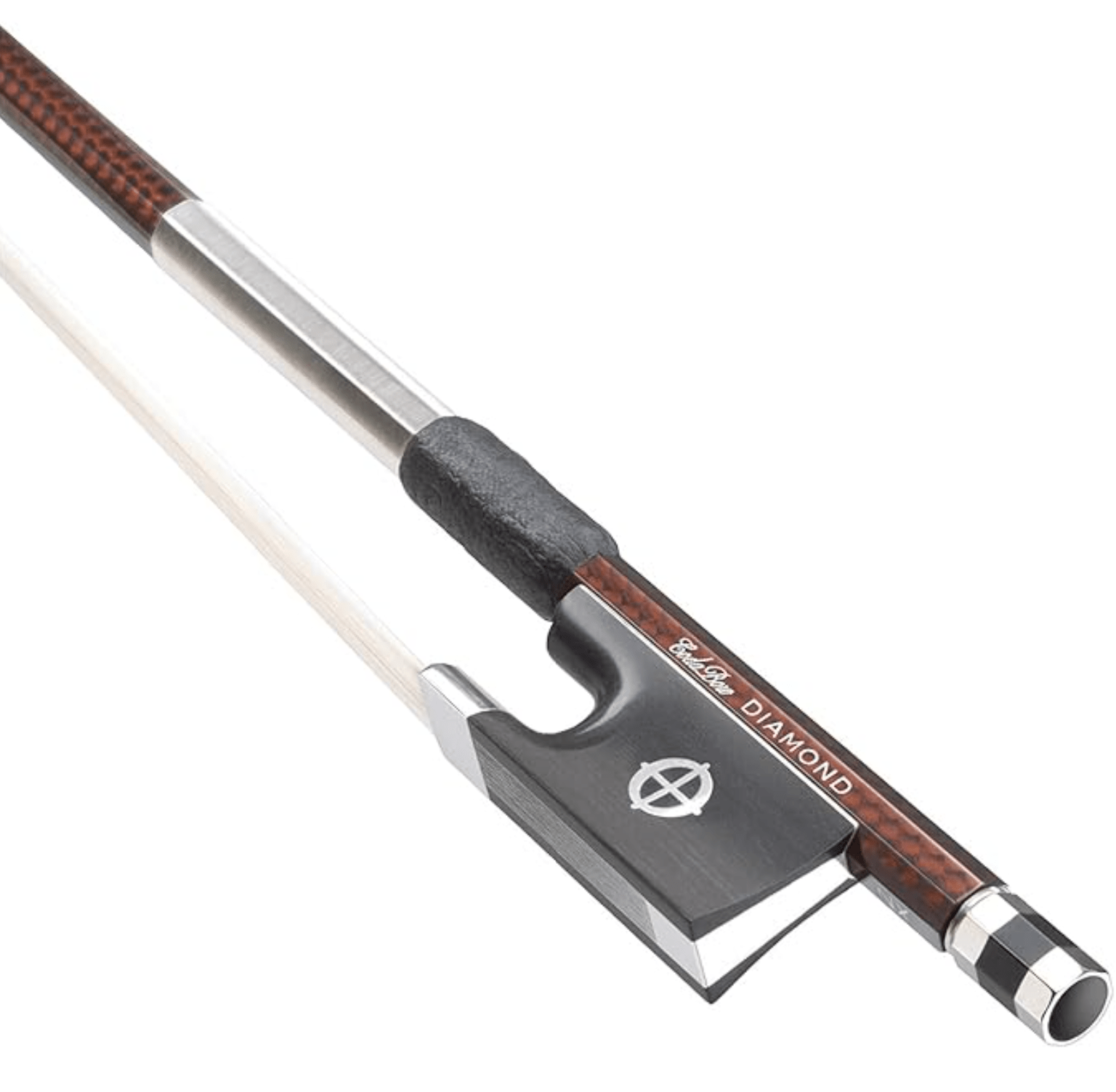
CodaBow Diamond NX
Best for: Long-term performance and refinement
Highly consistent, stable, and responsive across all bow strokes.
For full reviews and detailed comparisons, see our complete guide to best violin bows for adult beginners and intermediates.
When Looking at Pernambuco
If you go this route:
- Avoid ultra-cheap options
- Look for workshop or maker reputation
- Expect variation even between similar bows
Common Mistake to Avoid
❌ “Wood must be better because it’s traditional”
This is not true at lower price points.
Modern carbon fiber bows often outperform:
- Cheap wood bows
- Inconsistent factory-made pernambuco
Final Thoughts
Both materials can be excellent but they serve different players.
For most adult beginners and intermediates:
👉 Carbon fiber gives you the best combination of:
- Control
- Consistency
- Value
Pernambuco becomes worthwhile later when your technique can actually take advantage of what it offers.
If your goal is to make practice feel smoother, more consistent, and more enjoyable, the material that helps you do that is the right one.
Affiliate Disclosure: Some links in this article may be affiliate links. As an Amazon Associate and participant in other affiliate programs, we may earn from qualifying purchases at no additional cost to you.
Leave a Reply