
bow control
-
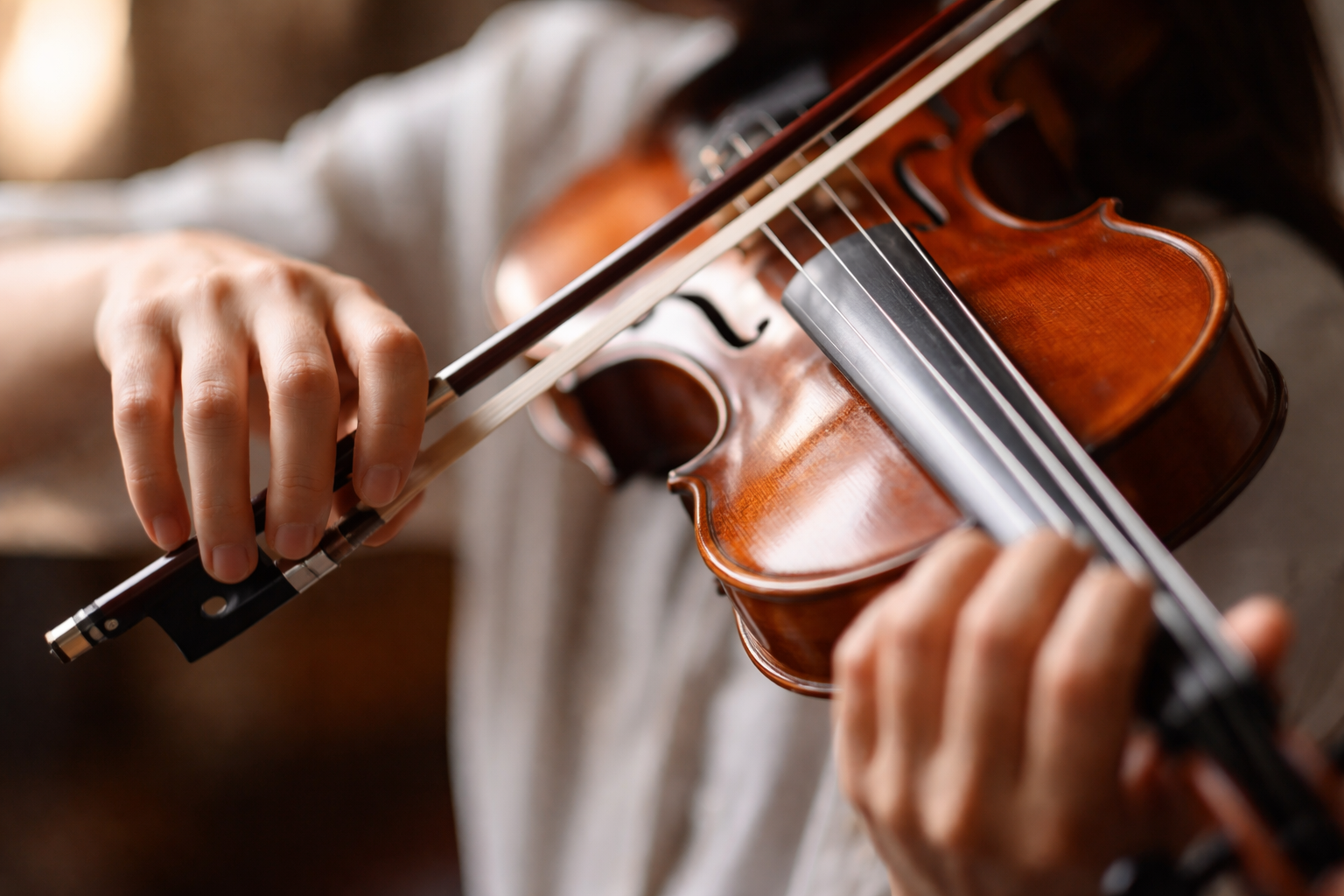
Why Your Bow Keeps Bouncing on the Violin (And How to Fix It)
If your bow keeps bouncing when you want a smooth sound, the cause is usually a small mismatch of contact point, bow speed, and arm support. This guide gives quick checks, practical fixes, and short drills you can use right away.
-
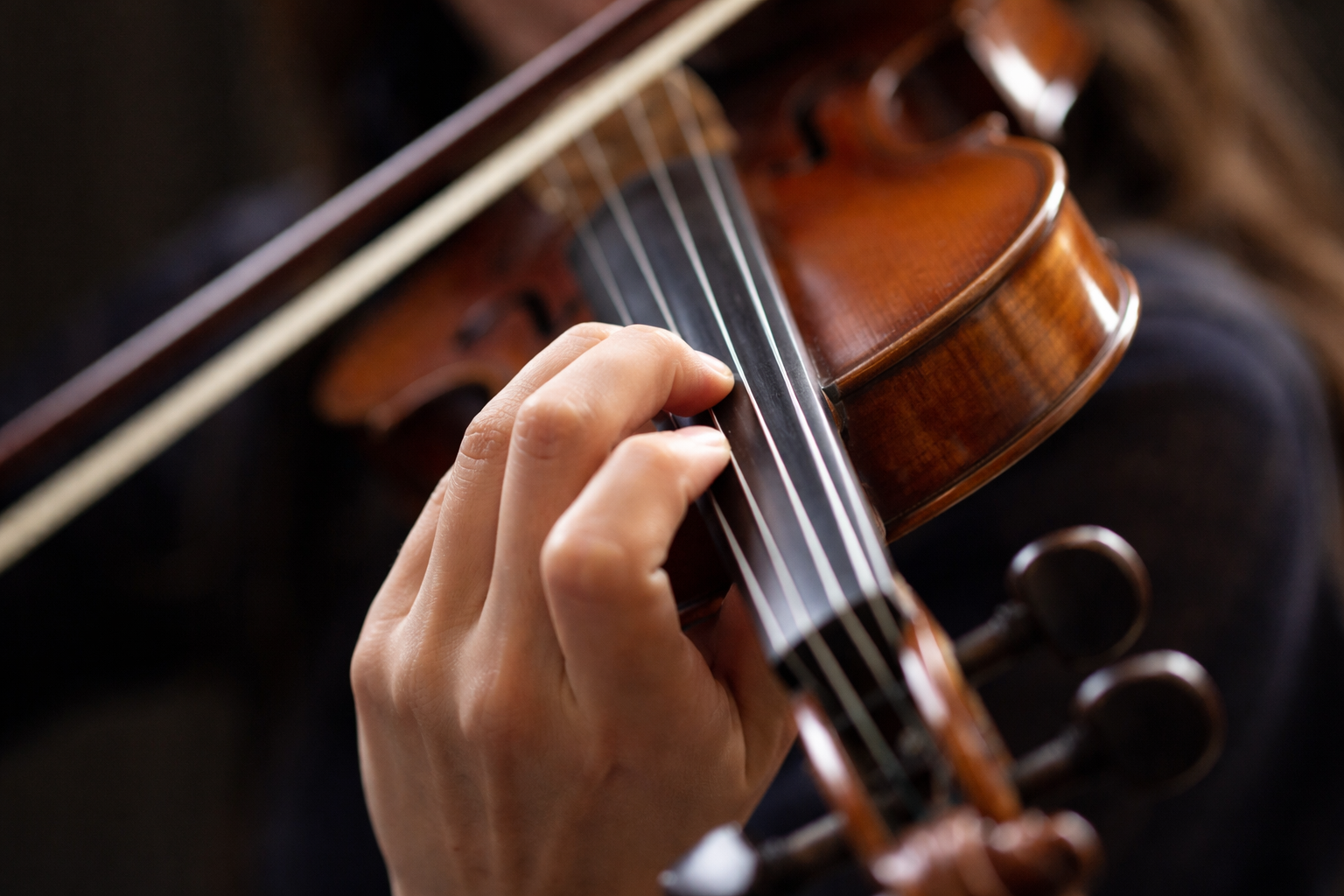
Why Your Violin Squeaks When Shifting (And How to Fix It)
If your violin squeaks when you shift, use a 60–90 second quick test to separate left‑hand friction from bow issues, then fix it with short, practical drills. Clear tests, step‑by‑step exercises, setup checks, and when to escalate.
-
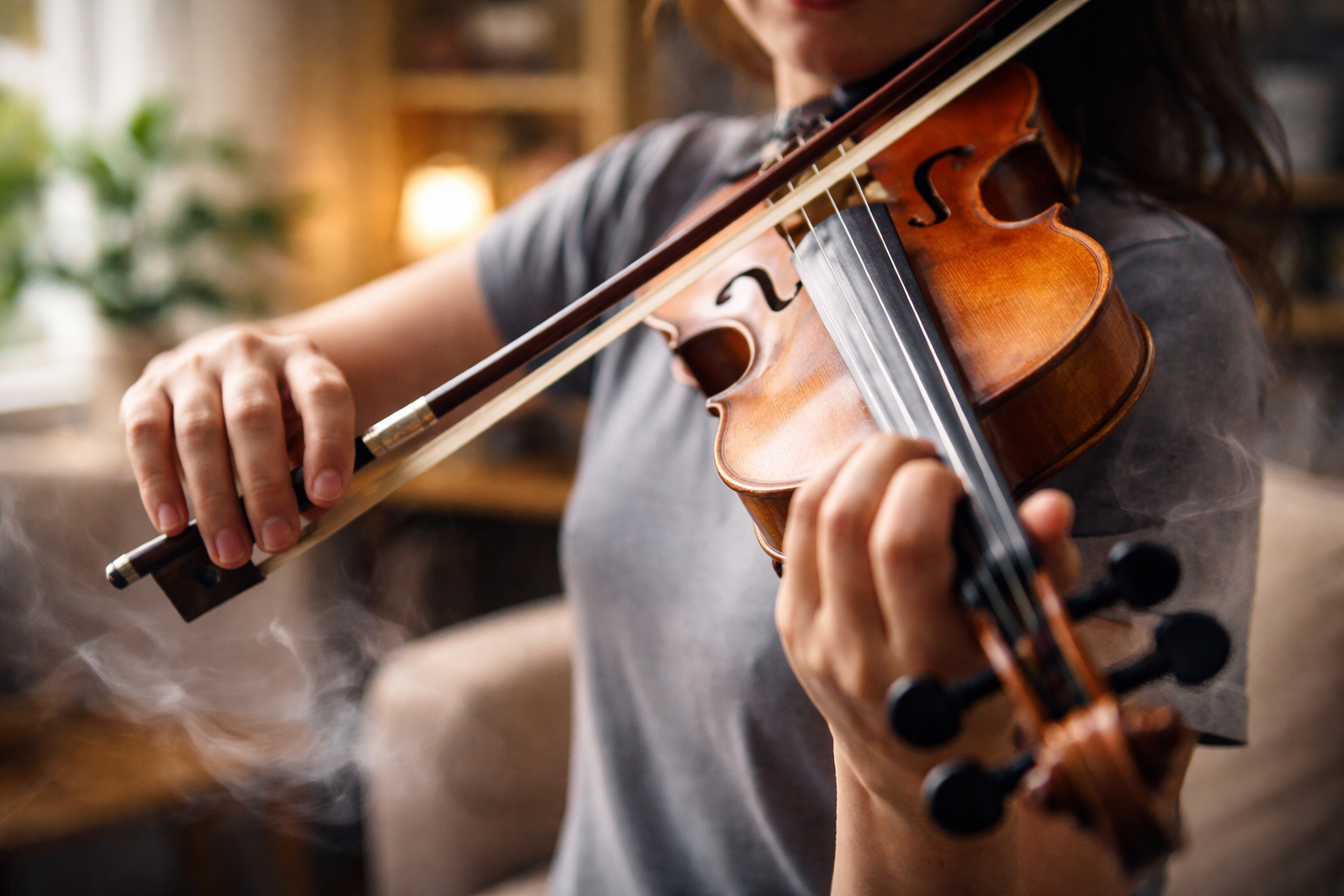
Why Does My Violin Sound Airy? 9 Quick Fixes to Get a Clearer Tone
If your violin sounds airy or breathy—thin, unfocused, or like it lacks a clear core—try these quick 5‑minute checks and prioritized fixes to find and fix the cause. Includes short tests, practice drills, a one‑week plan, and guidance on when to see a teacher or luthier.
-
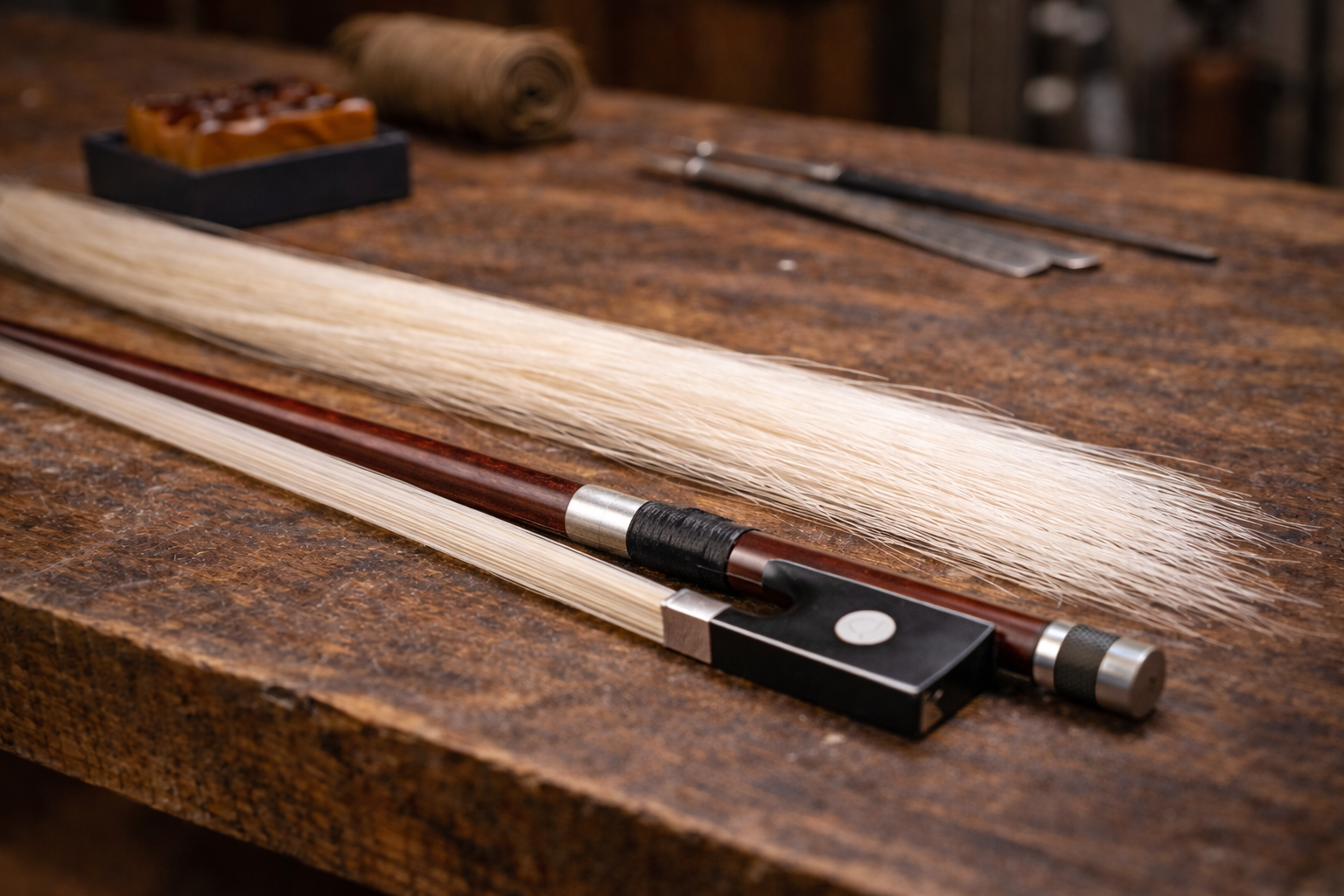
Violin Bow Hair: Types, When to Rehair, and When to Replace the Bow
Worn bow hair is one of the most common reasons a violin starts to feel slippery, scratchy, or hard to control. This guide explains what violin bow hair is made of, how it wears out, when a rehair makes sense, and when replacing the bow is the smarter option for adult players.
-

How to Practice with a Metronome on Violin (Without Sounding Mechanical)
Learning to use a metronome doesn’t have to make your playing stiff or robotic. This guide shows adult violinists how to practice with a metronome in a musical, flexible way that actually improves tone and control.
-
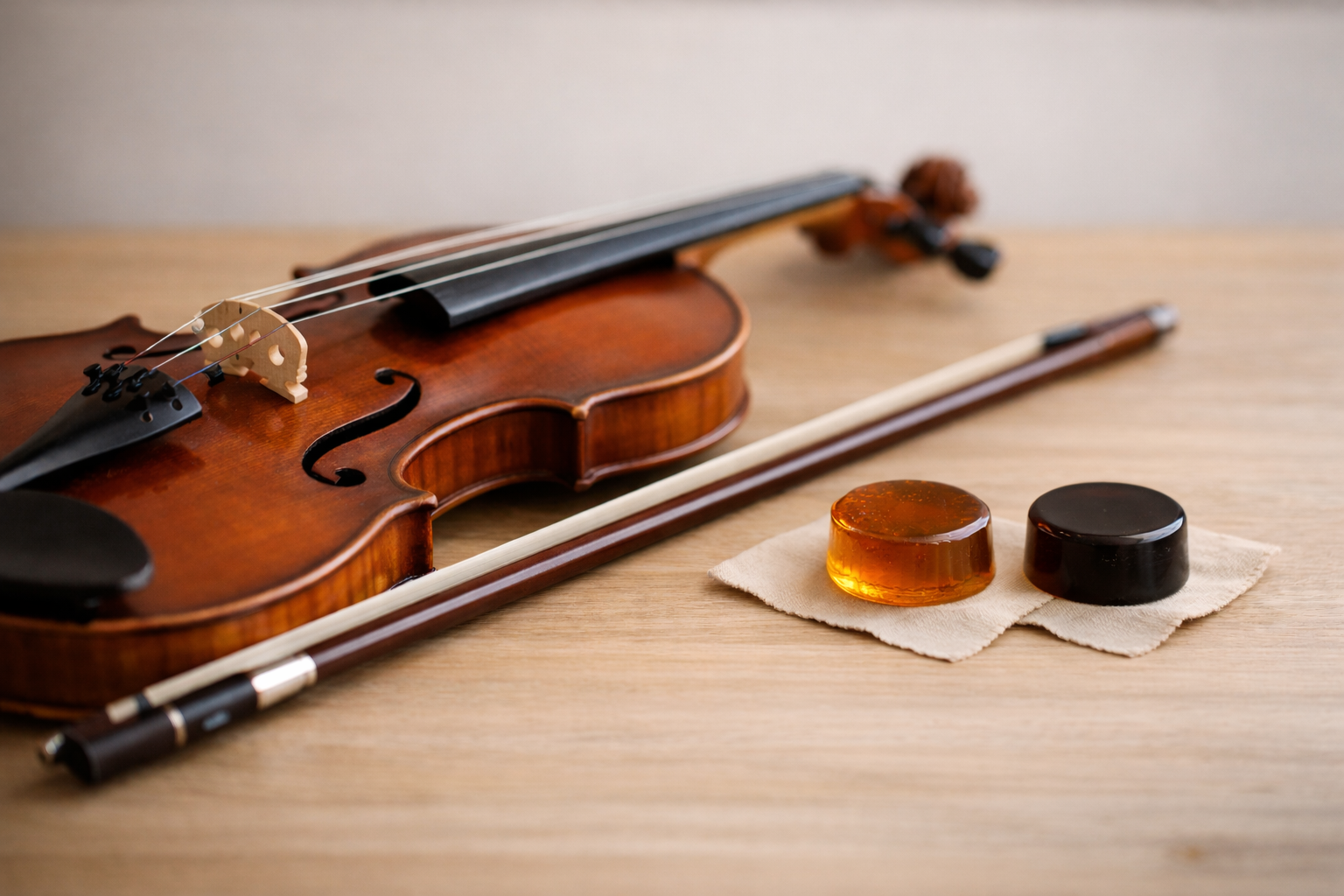
Best Violin Rosin for Adult Beginners (What Actually Matters)
Rosin affects tone and bow control more than most adult beginners realize. This practical guide explains light vs. dark rosin, how much to use, and how to choose the right option without overthinking it.