
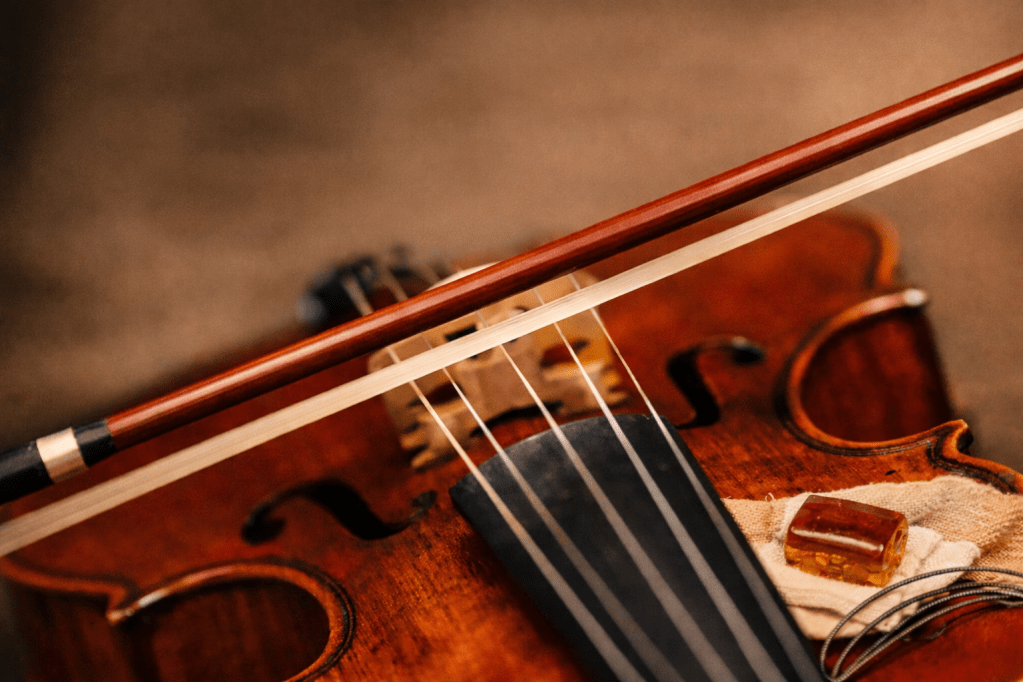
If your violin sounds scratchy, harsh, or thin, you’re not alone — especially if you’re learning as an adult or returning after a long break.
The good news is that a scratchy sound is very common and usually caused by a few fixable issues. In most cases, it’s not your violin, and it’s not a lack of talent.
This guide walks through the most common reasons violins sound scratchy and what you can do to improve your tone — starting with the easiest fixes.
What “Scratchy” Usually Means
When players describe a scratchy sound, they often mean one or more of the following:
- A harsh or gritty tone
- Notes that sound thin or unstable
- A rough sound at the start of a note
- A squeak or surface noise instead of a clear pitch
These problems usually come from bow control, setup, or equipment, not from musical ability.
1. Too Much (or Too Little) Bow Pressure
This is the most common cause of scratchy sound.
- Too much pressure crushes the string and creates surface noise
- Too little pressure lets the bow slide without gripping the string
Adult learners often press harder than necessary, especially when trying to “make the violin louder.”
Fix:
- Lighten your bow hand and let the bow weight do more of the work
- Practice long, slow bows on open strings
- Aim for a steady, relaxed sound rather than volume
If the sound improves when you slow down, pressure was likely the issue.
2. Bow Speed and Contact Point Are Off
Tone comes from a balance between:
- Bow speed
- Bow pressure
- Where the bow contacts the string
Playing too close to the fingerboard with slow bow speed often creates a scratchy or unfocused sound.
Fix:
- Keep the bow about halfway between the bridge and fingerboard
- Use a slightly faster bow instead of pressing harder
- Watch your bow in a mirror to keep it straight
Small adjustments here can make a big difference.
3. Old, Dirty, or Inappropriate Strings
Strings wear out — even if they don’t break.
Old strings:
- Lose clarity
- Respond poorly to the bow
- Produce more surface noise
Some strings also aren’t ideal for adult beginners because they require more precise bow control.
If your strings are old or difficult to control, choosing a more forgiving set can make a noticeable difference — this guide to the best violin strings for adult beginners explains what to look for and why it matters.
Fix:
- If your strings are over 6–12 months old, consider replacing them
- Choose strings known for warm tone and easy response
- Wipe strings after playing to remove rosin buildup
If your violin suddenly sounds better after a string change, the problem wasn’t you.
4. Bow Hair or Rosin Issues
Your bow matters just as much as your violin.
Common problems:
- Bow hair is dirty or worn
- Too much rosin
- Too little rosin
- Very hard rosin in a dry environment
Fix:
- Clean excess rosin dust from strings and violin body regularly
- If the bow slips, apply a small amount of rosin
- If the sound feels gritty, you may be using too much
If your bow hasn’t been rehaired in years, that alone can cause tone problems.
5. Tension and Grip (Especially for Adults)
Adult learners often carry tension in the:
- Right hand
- Shoulder
- Forearm
Tension transfers directly into sound.
Fix:
- Check that your thumb and fingers are flexible, not locked
- Pause occasionally and gently shake out your bow hand
- Focus on relaxed control, not force
A relaxed bow arm almost always produces a cleaner sound.
6. Setup and Comfort Issues
If your violin isn’t comfortable to hold, your bowing will suffer.
Problems like:
- Poor shoulder rest fit
- Chin rest discomfort
- Slipping violin position
…all make tone harder to control.
If your violin doesn’t feel stable, comfort issues can quietly affect your bowing and tone — this practical look at whether you really need a shoulder rest can help you evaluate your setup.
Fix:
- Make sure the violin feels stable without clenching
- Adjust or experiment with shoulder rest placement
- Prioritize comfort over “correct” appearances
Comfort leads to control. Control leads to better sound.
Start With These 3 Fixes First
If you’re not sure where to begin, try this order:
- Slow down your bow and reduce pressure
- Play halfway between bridge and fingerboard
- Check string age and rosin buildup
Most scratchy tone problems improve noticeably within minutes when these are addressed.
If you’re working through common beginner challenges, the Start Here section on Practical Violinist walks through the most helpful guides in a clear order.
Final Thought
A scratchy violin sound doesn’t mean you lack ability or musicality. It usually means your technique or setup just needs a small adjustment.
Improving tone is a gradual process — but it does improve, especially when you focus on relaxed control and simple fixes.
If you’re learning violin as an adult, patience and clarity matter more than perfection.
Affiliate Disclosure
Affiliate Disclosure: Some links in this article may be affiliate links. As an Amazon Associate and participant in other affiliate programs, we may earn from qualifying purchases at no additional cost to you.
 Practical Violinist
Leave a comment