
violin tone
-
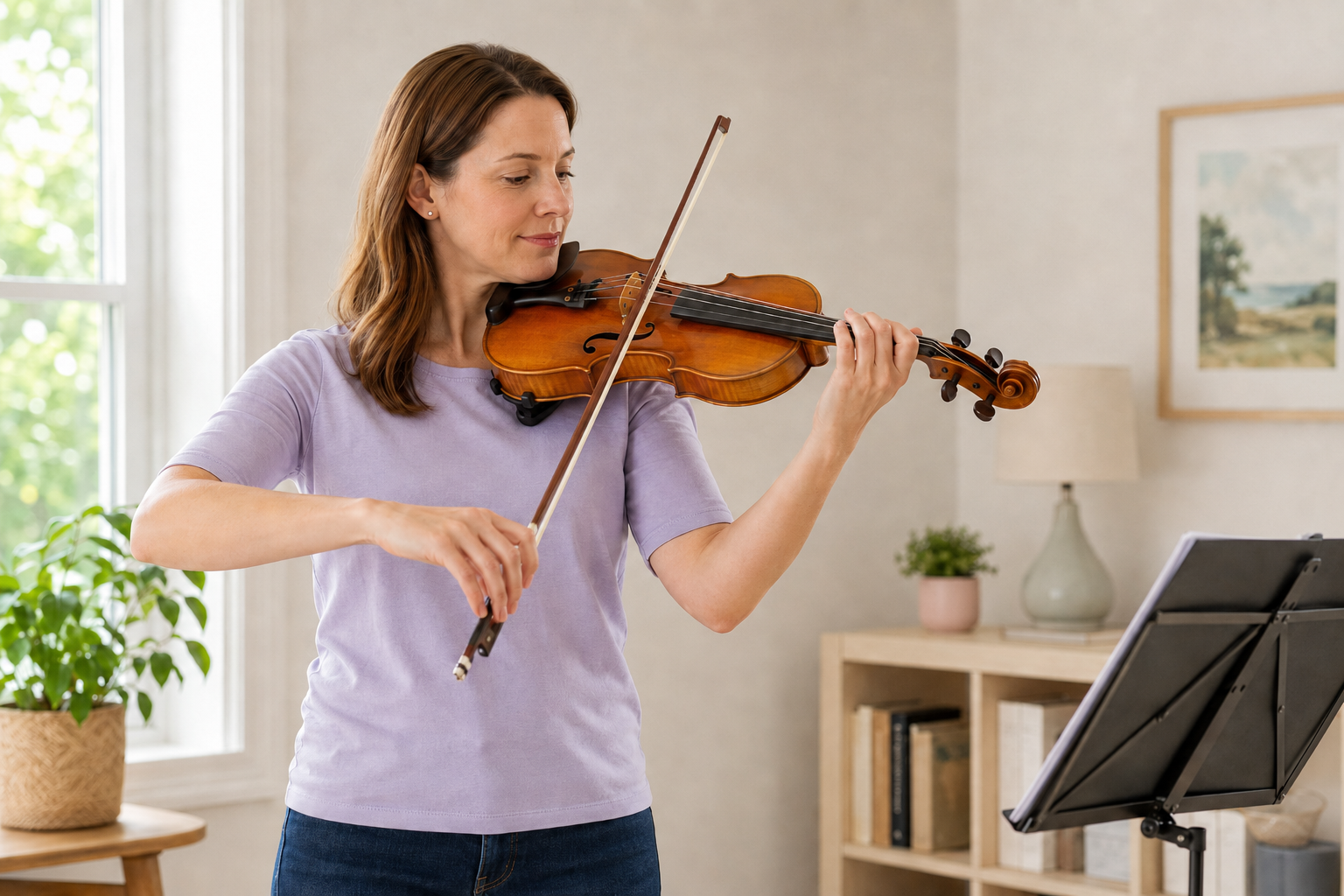
How Close Should the Bow Be to the Bridge When You Play Violin?
Wondering how close your bow should be to the bridge when playing violin? Learn where to place the bow, how contact point affects tone, and simple ways adult beginners can get a clearer, steadier sound.
-
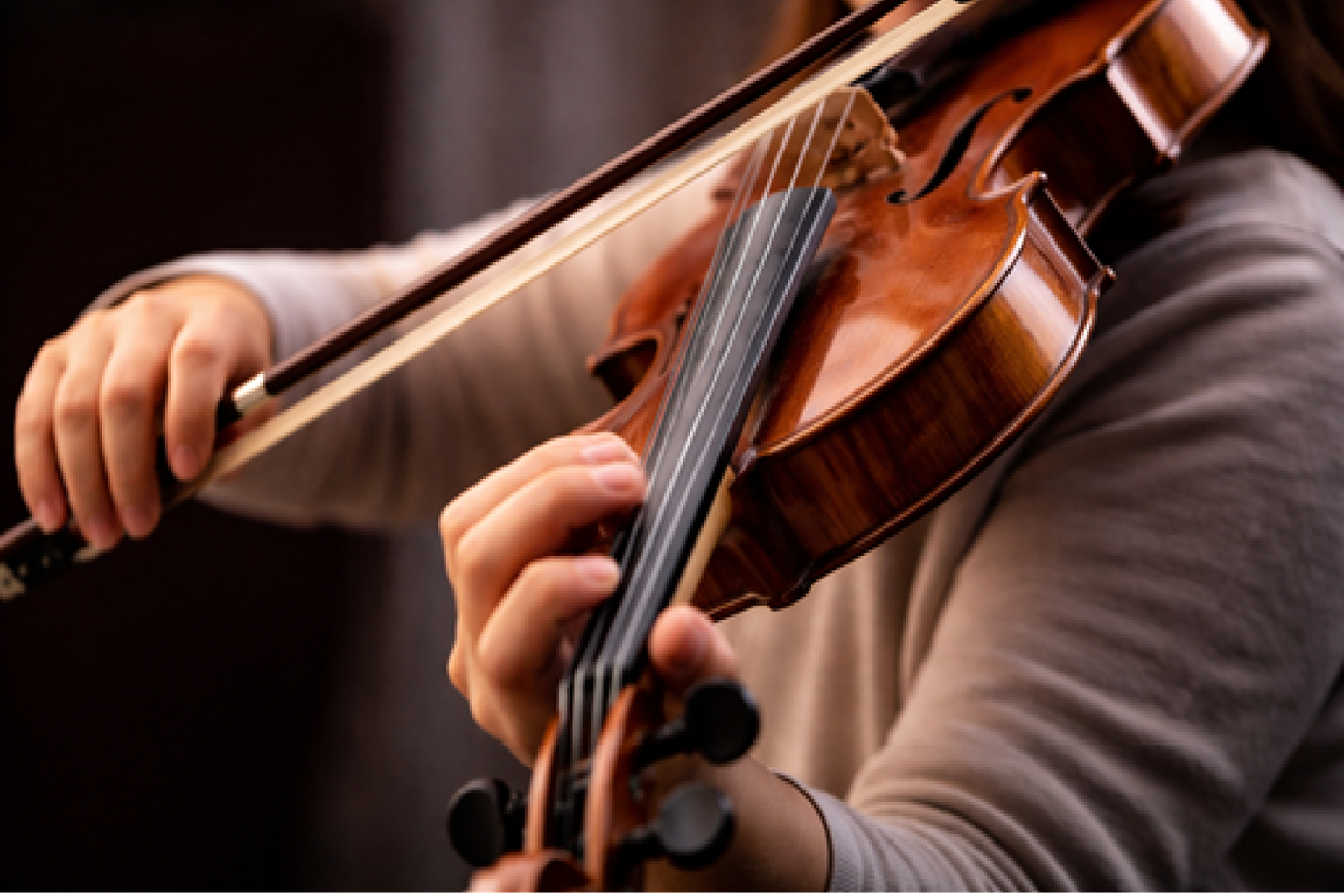
Why Your Violin Sounds Thin (And How to Get a Fuller Tone)
If your violin sounds thin — clear but small, lacking depth or warmth — the issue is usually how the bow interacts with the string. This guide shows you how to quickly diagnose the cause and build a fuller, more resonant tone with simple adjustments and focused practice.
-
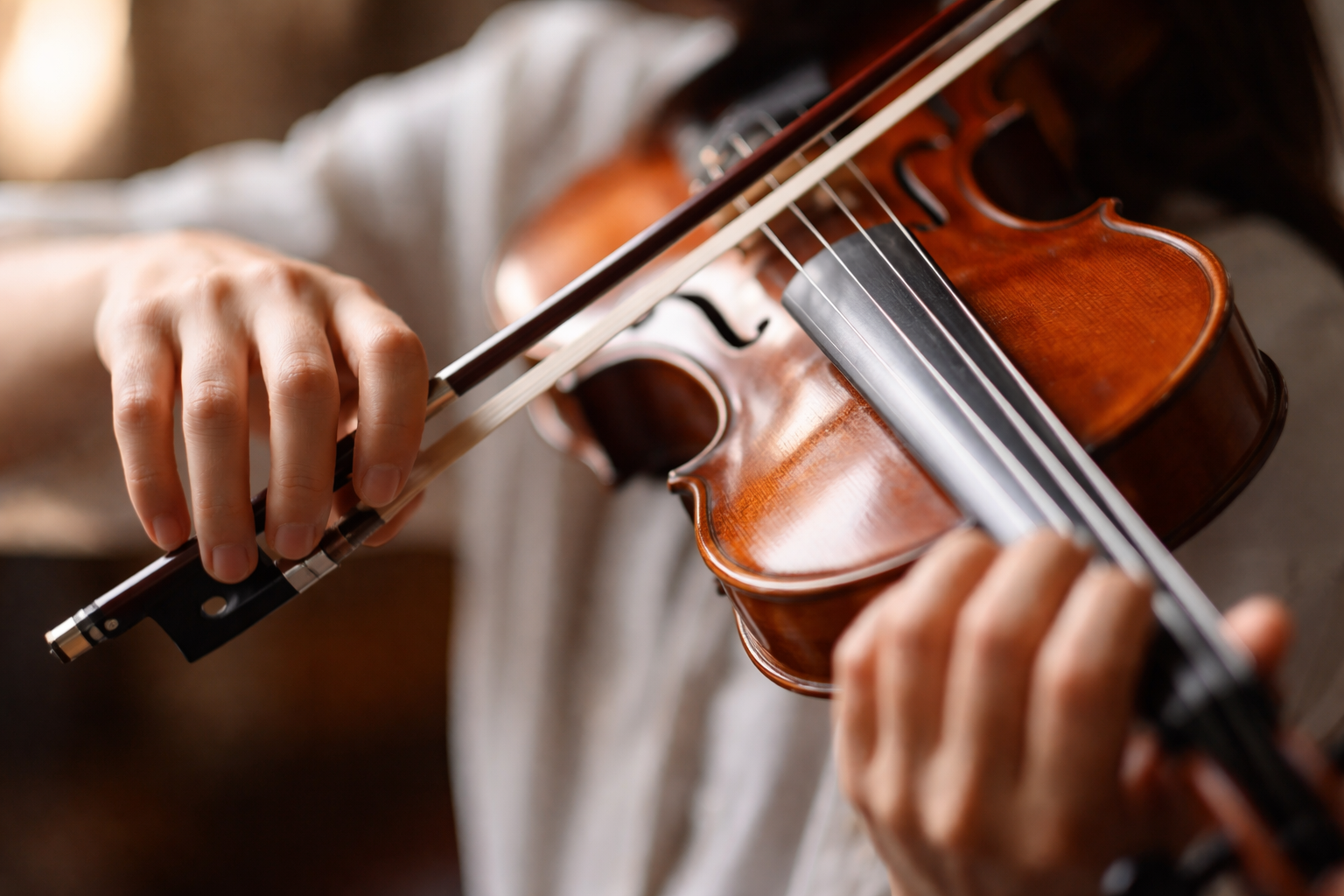
Why Your Bow Keeps Bouncing on the Violin (And How to Fix It)
If your bow keeps bouncing when you want a smooth sound, the cause is usually a small mismatch of contact point, bow speed, and arm support. This guide gives quick checks, practical fixes, and short drills you can use right away.
-

Why Your Violin Sounds Harsh on the E String (and How Adults Can Fix It)
A harsh or shrill E string is one of the most common frustrations adult violinists face. This guide explains the real causes—from bow technique to string choice—and shows simple, practical ways to achieve a smoother, warmer E string sound.
-
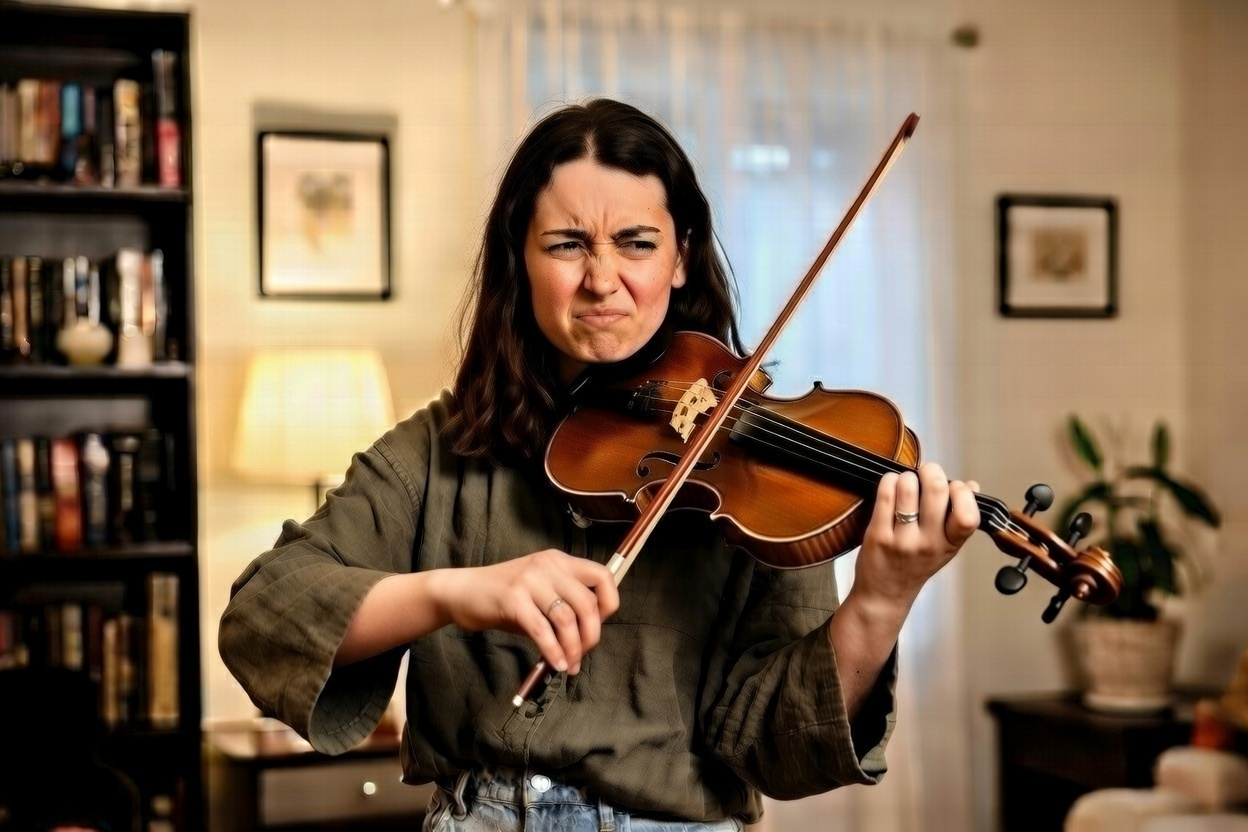
Why Your Violin Sounds Scratchy (And How to Fix It)
If your violin sounds scratchy, harsh, or thin, you’re not alone — especially as an adult learner. This guide explains the most common causes of scratchy tone and simple fixes you can apply right away to improve your sound.
-
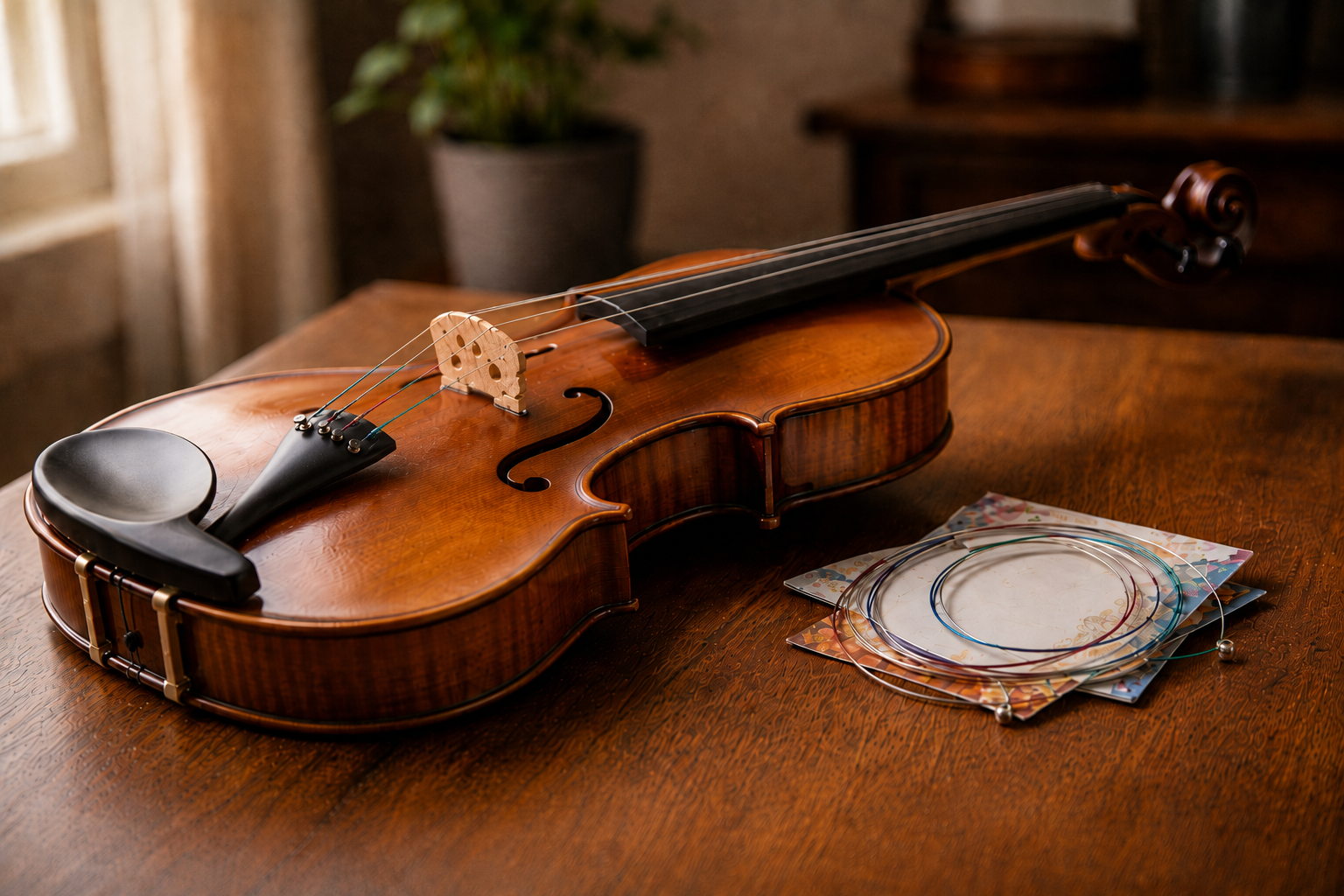
Best Violin Strings for Adult Beginners (Comfort, Tone, and Value)
Choosing violin strings as an adult beginner can be confusing. This guide explains what matters most for comfort, tone, and playability, and walks through string options that help adult violinists practice more comfortably and enjoy steady progress.