
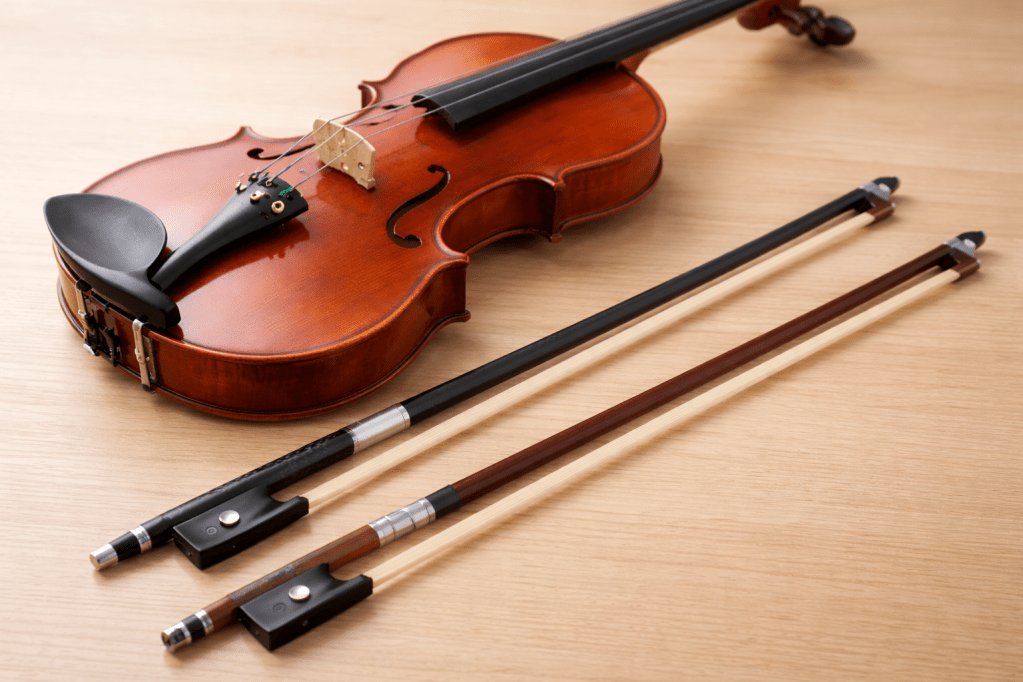
Many adult violinists focus on upgrading strings first—but your bow plays an equally important role in tone, control, and ease of playing.
If your violin still feels scratchy, unresponsive, or difficult to control even after improving technique and strings, the bow may be holding you back.
This guide explains when it makes sense to upgrade your violin bow, what improvements to expect, and what to look for when choosing your next bow.
Why the Bow Matters More Than Most Beginners Realize
Your bow is the engine that creates sound. A better bow allows you to:
- Start notes more cleanly
- Maintain steadier tone
- Control dynamics more easily
- Reduce scratchiness and unwanted noise
- Feel less tension in your right hand
Many beginner outfits include a very basic bow that works “well enough” at first—but becomes limiting as your ear and technique improve.
Many adult violinists focus on upgrading strings first—but if your sound still feels rough or inconsistent, especially when you’re working on bow pressure and control, the issue may not be your technique alone.
Signs You’re Ready to Upgrade Your Violin Bow
You may be ready for a bow upgrade if you notice one or more of the following:
🎻 Your sound stays scratchy despite good technique
If you’ve worked on bow pressure, speed, and contact point but the sound still feels rough, the bow may not respond consistently.
🎻 Your bow feels stiff, heavy, or hard to control
A poor-quality bow can feel unbalanced, making smooth bow changes and long tones more difficult than they should be.
🎻 You’ve already upgraded your strings
Once you improve your strings, a weak bow becomes more noticeable—and often the next bottleneck.
🎻 You’re practicing consistently
If you’re practicing several times per week and actively working on improving your sound, a better bow will usually reward that effort immediately.
What Improves When You Upgrade Your Bow?
Upgrading your bow doesn’t just change sound—it changes feel.
Expect improvements in:
- Responsiveness – notes start cleaner with less effort
- Tone consistency – smoother sound across all strings
- Control – easier dynamics and articulation
- Comfort – less right-hand tension over longer sessions
For adult learners, this often makes practice more enjoyable and less frustrating.
Common Beginner Bow Types (And Their Limitations)
Entry-Level Wooden Bows
- Often included with violin outfits
- Inconsistent balance
- Limited responsiveness
Very Cheap Carbon Fiber Bows
- Durable, but often stiff
- Can produce harsh tone
- Limited nuance
These bows aren’t “bad,” but they are often outgrown quickly.
Best Bow Upgrade Options for Adult Violinists
Carbon Fiber Bows (Best Overall Upgrade)
For most adult learners, carbon fiber bows offer the best value upgrade.
Why they work well:
- Consistent quality
- Excellent durability
- Better balance than beginner bows
- Responsive and forgiving
These are ideal if you want a noticeable upgrade without worrying about warping or humidity issues.
Pernambuco or Brazilwood Bows (Traditional Feel)
Wooden bows offer warmth and nuance but vary more in quality.
Best for players who:
- Prefer a traditional feel
- Are buying from a trusted seller
- Are ready to try multiple bows before choosing
For online purchases, carbon fiber is usually the safer upgrade.
How Much Should You Spend on a Bow Upgrade?
A realistic upgrade range for adult learners is:
- $60–$100 – Entry-level upgrade (noticeable improvement)
- $100–$200 – Strong intermediate upgrade (best balance of value and performance)
Above this range, gains become more subtle and technique-dependent.
Should You Upgrade Your Bow or Strings First?
If you’ve already upgraded your strings and your violin still feels difficult to control, the bow often becomes the next limiting factor.
If you’re choosing between the two:
- Start with strings if your violin sounds dull or lifeless
- Upgrade your bow if control, scratchiness, or comfort is the issue
Ideally, the two upgrades work together. A better bow allows upgraded strings to shine.
Final Thoughts: Is a Bow Upgrade Worth It?
For adult violinists who are practicing regularly, a bow upgrade is often one of the most immediately rewarding improvements you can make.
If your playing feels harder than it should—or your sound isn’t matching your effort—a better bow can remove friction and make progress feel natural again.
If you’re ready to explore specific recommendations, this guide to the best violin bows for adult beginners and intermediates can help you choose a bow that matches your playing level and goals.
 Practical Violinist
Leave a comment